
Lotus angustissimus
Lotus angustissimus L.
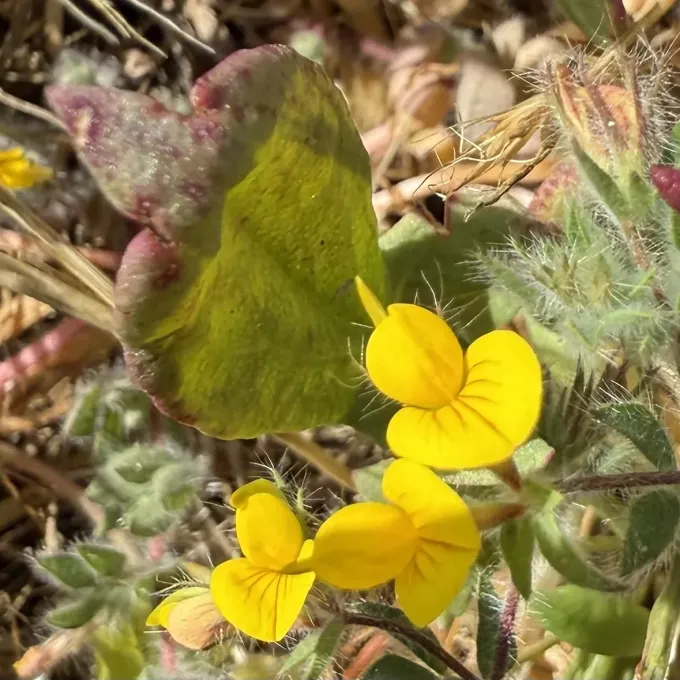
Description
Sowing dates
Lotus angustissimus is typically sown in early spring when soil temperatures reach a stable level, ensuring the conditions are conducive to consistent seed germination.
Due to the hard seed coat inherent in this species, mechanical or chemical scarification is essential to ensure uniform emergence across the field after planting.
The seeding rate is usually maintained between 8 and 12 kilograms per hectare, depending on whether the crop is grown for green forage or seed production purposes.
Seeds should be shallowly planted at a depth of 1 to 2 centimeters to provide sufficient warmth and oxygen for the emerging radical to thrive effectively.
Incorporating the crop with a companion grass species can help improve field stability and increase the total nutritional value of the produced hay or pasture.
Growing requirements
This legume thrives in well-drained loamy soils but displays a remarkable capacity to adapt to various soil textures, including slightly acidic or sandy conditions.
The crop requires an open and sunny location to achieve maximum vegetative growth, as it is sensitive to shading from tall competitors or invasive weed species.
Lotus angustissimus possesses a moderate level of drought tolerance, allowing it to maintain growth during periods of low precipitation if established correctly.
The soil must have adequate aeration to support the development of root nodules, which are critical for biological nitrogen fixation and long-term soil health.
While the species is hardy, it is best suited to temperate and Mediterranean climates where winters are mild, preventing frost damage to the vegetative tissue.
Yield
The total forage yield per hectare is significantly influenced by the frequency of cutting, with optimal management allowing for two to three harvests annually.
Average biomass production typically ranges from 15 to 25 tonnes per hectare, providing a nutrient-dense feed source for cattle, sheep, and other herbivores.
The nutritional profile remains high during the pre-flowering and flowering stages, offering high protein content necessary for livestock growth and maintenance.
Seed production yields are variable, often depending on the environmental conditions during the flowering window and the activity of local pollinator populations.
Proper phosphorus fertilization can enhance the regenerative capacity of the plant after each cut, ensuring sustainable yields over the multi-year lifespan of the stand.
Main diseases and pests
Like most legumes, this species is susceptible to various fungal pathogens, especially in humid conditions which promote the development of powdery mildew and leaf spots.
Pests such as root-feeding weevils and aphids can cause significant damage to the crop, potentially reducing the plant's ability to fix nitrogen and store nutrients.
Integrated pest management strategies should be implemented to monitor insect activity and apply controls only when thresholds of damage are clearly exceeded.
Proper crop rotation is a vital tool to break the life cycles of soil-borne diseases and ensure that the land remains productive for future legume plantings.
Excessive moisture in the canopy due to high planting density should be avoided, as it creates an environment favorable for bacterial and fungal infection spread.
Harvesting
For high-quality forage, harvesting should occur during the early flowering phase to balance the high protein levels with the total volume of vegetative biomass.
Haymaking processes must be executed with care to prevent the loss of leaves, which are the most nutrient-rich part of the plant, during the wilting stage.
Seed harvesting requires precision; pods should be monitored for maturity to avoid shattering, which is a common cause of yield loss for this specific species.
Mechanical harvesting equipment should be calibrated to handle the delicate seeds gently, minimizing physical damage during the threshing and cleaning process.
Post-harvest storage should involve cooling and thorough drying to prevent mold growth, ensuring that the seeds maintain high germination rates for future years.