
Birdsfoot trefoil
Lotus corniculatus L. var. corniculatus
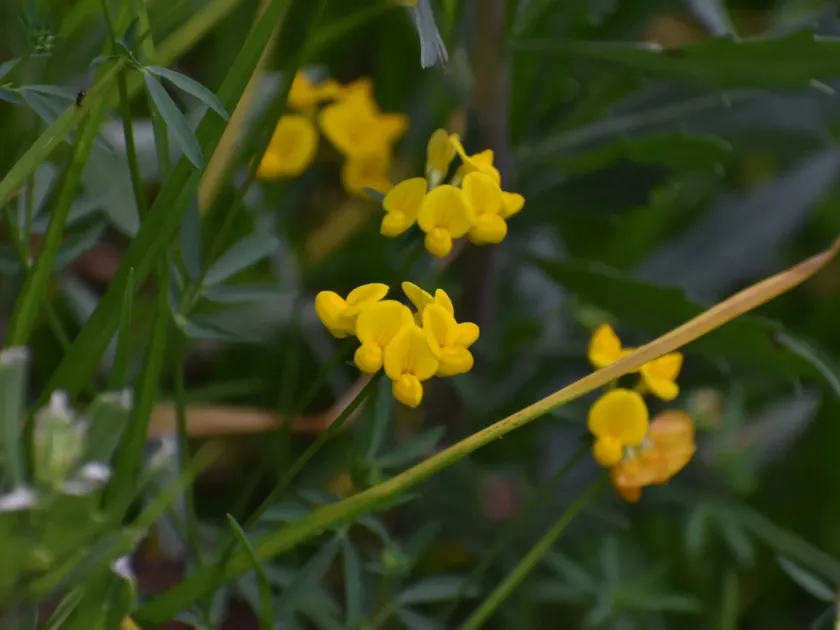
Description
Sowing dates
Birdsfoot trefoil should be sown in early spring to take advantage of moist soil conditions which are crucial for germination.
The seeds are small and should be planted at a shallow depth of approximately 1–2 cm to ensure proper establishment.
It is often sown in mixtures with grasses to provide a balanced forage, though it can also be established as a pure stand.
Seedbed preparation is vital; the soil should be firm and free of competitive weeds to allow seedlings to develop effectively.
A seeding rate of 8–10 kg/ha is generally recommended depending on the soil type and the intended use of the forage stand.
Growing requirements
This legume is highly adaptable to diverse soil conditions, including low-fertility, acidic, and poorly drained soils where others fail.
It displays excellent cold hardiness, allowing it to survive harsh winters and persist in varied temperate climates effectively.
While tolerant of wet conditions, it also shows notable drought resistance, making it a versatile option for different topographies.
The plant requires full sun to reach its full growth potential and should not be overshadowed by competitive tall-growing grasses.
Soil testing is advised, as even though it is hardy, it responds well to balanced phosphorus and potassium fertilization for higher yields.
Yield
The forage yield is high, producing high-quality hay and pasture that is palatable to cattle, sheep, and other livestock species.
Unlike some other legumes, birdsfoot trefoil does not cause bloat in ruminants, making it a safe choice for grazing systems.
It has a long productive lifespan, capable of persisting in a field for up to 10 years with appropriate management practices.
The plant recovers well after grazing or mowing, ensuring multiple cuttings throughout the growing season in favorable moisture conditions.
Seed yields are generally consistent and benefit from high pollinator activity, which is essential for successful pod development.
Main diseases and pests
Insects like the trefoil seed chalcid can cause significant losses in seed production if not managed during the flowering phase.
Fungal diseases such as powdery mildew or leaf spots may appear in dense stands under conditions of high humidity and poor airflow.
Root rots are potential risks in waterlogged soils where oxygen availability to the roots is critically low for extended periods.
Integrated pest management, including crop rotation and monitoring, is recommended to keep pest populations below economic thresholds.
Good field hygiene, such as removing crop residues and ensuring proper drainage, significantly reduces the prevalence of common diseases.
Harvesting
Harvesting for hay should be timed at the early bloom stage to ensure the best balance between protein content and biomass quantity.
Seed harvest is challenging due to the tendency of pods to shatter, so timing is critical to minimize loss before the combine harvester.
Using a desiccant before harvesting seeds can help ensure uniform maturity and reduce the time required for the crop to dry down.
Careful handling during the baling process is necessary to preserve the delicate leaves, which contain a high concentration of nutrients.
After harvest, it is important to store the forage in a cool, dry place to maintain its nutritional profile and prevent spoilage.