
Lotus ornithopodioides
Lotus ornithopodioides L.
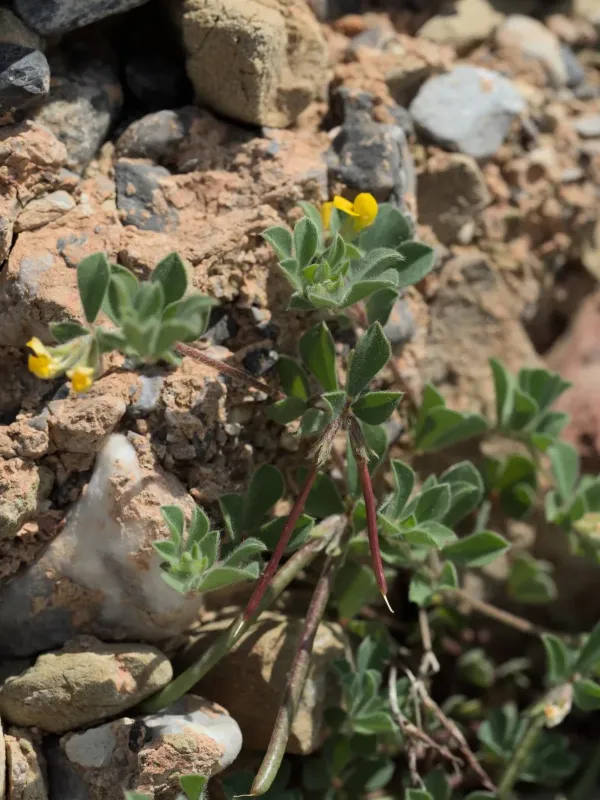
Description
Sowing dates
Sowing of Lotus ornithopodioides is typically performed in the early spring season once soil temperatures consistently reach 10–12 degrees Celsius. This timing ensures optimal germination and establishment of the young crop before the heat of summer sets in.
Seed placement should be carefully controlled at a depth of 1–2 centimeters. Given the small size of the seeds, a well-prepared, fine seedbed is essential to provide sufficient contact with soil moisture and prevent excessive burial of the seeds.
The seeding rate is determined by the intended use of the crop, whether for forage production or as a green manure. Standard drilling equipment is generally used, maintaining row spacings of approximately 15 centimeters to ensure uniform growth.
In arid climates, sowing just before the onset of the rainy season or in the late autumn can be beneficial, utilizing moisture reserves to encourage root development. This practice improves the plant's resilience during its early growth stages.
Proper field preparation, including the eradication of perennial weeds before sowing, is crucial for the success of Lotus ornithopodioides. Minimizing competition for light and water in the early stages leads to a stronger and more productive stand.
Growing requirements
Lotus ornithopodioides belongs to the family Fabaceae and is highly adapted to Mediterranean climates. It thrives in various environmental conditions and shows significant adaptability to different soil types, provided they are well-drained.
The crop prefers soils with a neutral to slightly alkaline pH. It is particularly valued for its ability to persist on degraded or thin soils, where it contributes to improving soil structure through its root system and symbiotic nitrogen fixation.
As a light-loving plant, it requires full sun exposure to reach its maximum photosynthetic potential. Shaded areas should be avoided, as restricted light levels significantly reduce the accumulation of biomass and plant vigor.
The species has a moderate water requirement and shows reasonable drought tolerance once established. Its ability to enter a period of reduced growth during water stress helps the plant survive harsh seasonal shifts.
Fertilization requirements are generally low because of the nitrogen-fixing capability of this legume. When inoculated with appropriate rhizobia, the plant can thrive without significant nitrogen inputs, making it an economically sustainable choice.
Yield
The primary agricultural use of Lotus ornithopodioides is for high-quality animal fodder. The plant provides a rich source of protein, making it an excellent component in forage mixes for livestock grazing or hay production.
Yield performance is highly dependent on harvest management. Cutting the crop during the peak flowering phase ensures the optimal balance between biomass volume and nutritional quality, providing maximum benefit for animal nutrition.
Beyond its value as fodder, the crop is widely recognized for its role in green manure rotations. Its ability to build organic matter and fix nitrogen aids in rehabilitating soil fertility, which is essential for sustainable crop management.
Seed production is a critical component of its cultivation. The unique, curved pods require precise harvesting timing to prevent seed loss due to natural dehiscence, as pods tend to split when they reach full maturity.
Sustainable plantation management allows for multiple years of yield from a single establishment. Consistent management of nutrient inputs and harvest cycles supports long-term forage availability for the farm operation.
Main diseases and pests
Root rot and fungal infections pose significant risks to the crop, especially in areas with poor drainage or prolonged high humidity. Managing soil moisture levels through proper site selection is the best preventative strategy.
Pests such as aphids and various species of weevils may target young sprouts and reproductive tissues. Integrating cultural control methods, including regular crop rotation and maintaining healthy plant density, helps mitigate insect damage.
Weed infestation is a primary concern during the initial phase of crop growth. Effective row management and timely harrowing are essential to provide the seedlings with enough space to compete against invasive species.
Storage of the harvested biomass requires strict adherence to drying protocols. High residual moisture in baled hay can lead to rapid mold development, rendering the forage unsuitable for livestock consumption.
Winter injury can occur in regions with extreme, fluctuating temperatures, especially if there is a lack of snow cover. Selecting naturally protected field locations or using management practices to support plant health can reduce winter losses.