
Lotus maculatus
Lotus maculatus Breitf.
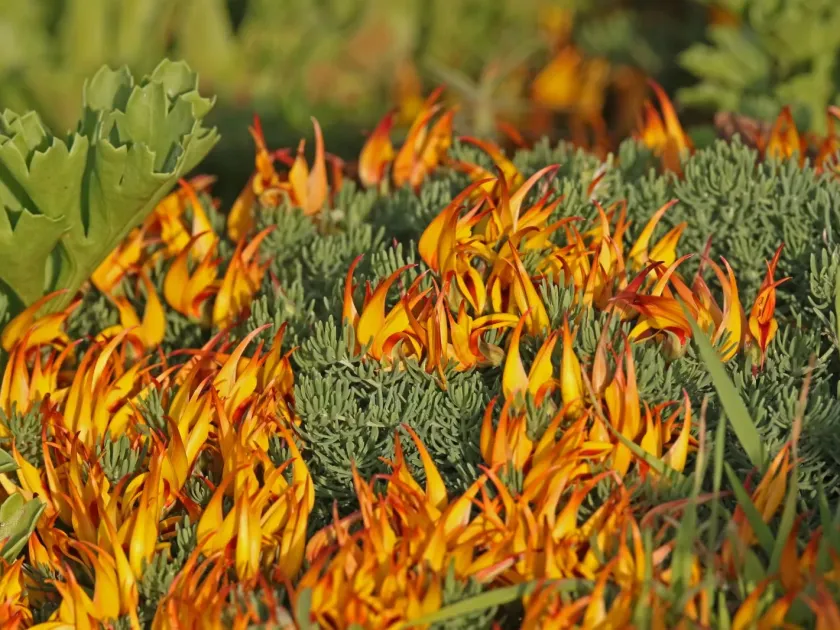
Description
Growing requirements
Lotus maculatus is a distinct plant species belonging to the Fabaceae family. Native to the Canary Islands, this perennial plant is highly valued for its unique appearance and is often studied for its adaptation to arid and semi-arid environments.
The crop thrives in well-drained, sandy soils that allow for efficient gas exchange around the root zone. Heavy, clay-based soils are unsuitable because they retain too much water, which frequently leads to root suffocation and fungal development.
Sunlight requirements for this species are significant. It is a heliophilic plant, meaning it requires full sun exposure to maintain its compact growth form and to stimulate the production of its characteristic flowers throughout the growing season.
Climatic conditions for optimal cultivation should mimic its Mediterranean-like origin. It is not cold-hardy, and in regions with freezing temperatures, it must be grown in containers that can be moved to frost-free areas during the winter months.
Regarding agrotechnology, water management is the most important factor. The plants should be watered only when the top layer of soil has dried out completely, as persistent moisture is detrimental to the plant's vascular system.
Main diseases and pests
Root rot and crown rot are the most common diseases affecting this species. These are primarily caused by overwatering or the use of poorly drained soil substrates, which promote the growth of opportunistic fungi such as Phytophthora.
Pest pressure often comes from common sap-sucking insects, including aphids and spider mites. These pests thrive in hot, dry environments, which are ironically the same conditions favored by the plant, requiring careful monitoring.
Fungal infections can also manifest as powdery mildew if airflow is restricted. Ensuring that the plants are not overcrowded is a vital cultural practice to promote air circulation and reduce the humidity levels around the foliage.
Integrated pest management (IPM) is recommended for controlling infestations. This includes the use of horticultural soaps or specific acaricides that target mites without harming the overall health of the plant.
Preventative care is essential for maintaining the longevity of the plant. Regular pruning of dead or decaying material helps to remove sites where pests and diseases typically take hold, keeping the plant vigorous and resistant.