
Bird's-foot trefoil
Lotus corniculatus L.
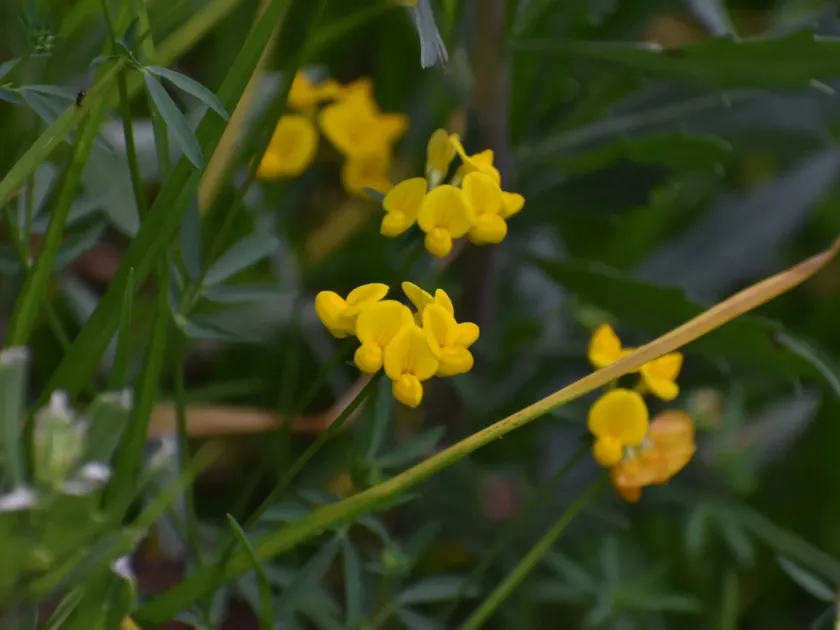
Description
Sowing dates
Bird's-foot trefoil is a perennial legume widely valued for its adaptability in forage systems. The best time for sowing is early spring when soil conditions are favorable, allowing for adequate moisture for germination.
It can also be established through late autumn seeding, ensuring the seeds are ready to germinate as soon as temperatures rise in the spring. Uniform seed distribution is critical for establishing a dense stand.
The seeding rate typically ranges from 10 to 12 kg per hectare, depending on whether it is planted in a pure stand or as a component of a larger pasture mixture. Depth of planting should not exceed 1–2 cm.
Seedlings grow slowly during the first year, making weed management essential for success. Once established, the root system is deep and robust, allowing the plant to thrive in various conditions.
Rolling the field after sowing is highly recommended to improve soil-to-seed contact, which significantly increases the emergence rate of the crop.
Growing requirements
Lotus corniculatus is renowned for its extreme soil tolerance. It grows well in acidic soils, heavy clays, and sandy soils where other common legumes might struggle to survive or maintain productivity.
The plant exhibits high winter hardiness and can withstand cold climates effectively. Its ability to tolerate periodic waterlogging makes it a versatile choice for marginal agricultural lands.
While tolerant of low fertility, it performs best in well-drained loamy soils. It has an excellent tolerance to drought, making it a reliable source of green matter during drier summer months.
Light availability is crucial for its growth; it is highly shade-intolerant. Therefore, it is best grown in pastures or hay fields where it is not overcrowded by faster-growing grasses.
Inoculation with appropriate rhizobia strains is often beneficial to ensure efficient nitrogen fixation, particularly in soils where the legume has not been grown previously.
Yield
The yield of bird's-foot trefoil depends on management practices, including fertilization and harvest frequency. In good conditions, forage yields can reach 20–30 tons of green mass per hectare.
This crop is a long-lived perennial, often remaining productive for 5 to 8 years in a managed field. It recovers quickly after grazing or mowing, supporting multiple harvests per season.
The nutritional value is comparable to alfalfa, but without the risk of bloating in livestock. This makes it a safe and nutritious component of high-quality pastures for cattle and sheep.
Seed yields are typically between 150 and 300 kg/ha. Since the pods ripen unevenly and shatter easily, precise timing of harvest is required to maximize the seed collection.
Phosphorus and potassium fertilization can substantially boost annual yields and improve the stand longevity, ensuring better persistence in competing vegetation mixtures.
Main diseases and pests
Bird's-foot trefoil is generally resistant to many of the diseases that affect more sensitive legumes. Its hardy nature reduces the need for frequent chemical interventions for disease control.
Pests such as weevils might be present, but they rarely cause significant economic damage to the forage stand. Proper field hygiene and regular mowing schedules help keep pest populations low.
Weed competition is the primary threat during the establishment phase. Using mechanical weeding or selective herbicides in the first year can help the crop gain dominance in the field.
Rarely, fungal pathogens may affect the foliage under conditions of extreme humidity or poor airflow. Maintaining good stand management helps to prevent these localized outbreaks.
Monitoring the field for specific insects during the seed-filling stage may be necessary if the objective is seed production, though this is secondary for general forage purposes.
Harvesting
Hay harvest should ideally occur during the early flowering stage to ensure the highest protein content and digestibility. Cutting too late results in stem lignification and lower feed quality.
For seed production, harvesting is indicated when the pods change color from green to brown or black. A two-stage harvest approach, where the plants are swathed and dried, is standard.
Proper machinery settings, particularly low drum speeds, are essential during threshing to avoid damaging the small seeds. This ensures high germination rates for future planting.
After the harvest, proper drying and storage are critical. Seeds must be kept in cool, dry conditions to maintain their viability for future planting seasons.
The remaining biomass after harvesting contributes to soil organic matter and nitrogen levels, making it a sustainable choice for rotational crop systems that aim to improve soil health.