
Lotus berthelotii
Lotus berthelotii Lowe ex Masf.
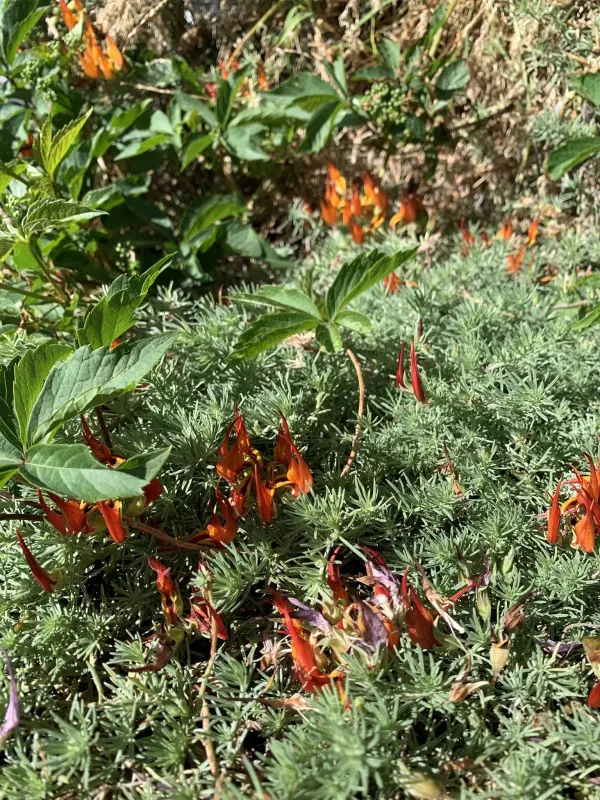
Description
Sowing dates
Sowing seeds of Lotus berthelotii is best performed in late winter or early spring using a lightweight, well-draining seed-starting mix. The seeds possess a hard seed coat and require scarification to ensure uniform germination.
Maintain a stable ambient temperature of approximately 20–22 degrees Celsius during the germination phase. Keeping the substrate consistently moist but not saturated is critical for the success of young seedlings.
For those preferring vegetative propagation, stem cuttings are highly effective. Take cuttings from healthy semi-hardwood stems and root them in a sand-based medium under high humidity conditions.
Seedlings should be moved to individual pots once they develop true leaves, ensuring that the root system is handled with extreme care to avoid shock.
Acclimatization to outdoor conditions should be a gradual process if the plants are intended for hanging baskets or garden beds during the warmer months.
Growing requirements
As an endemic species from the Canary Islands, Lotus berthelotii thrives in full sun. Intense light is essential for the plant to maintain its distinctive silver-grey foliage and produce its vibrant, unique flowers.
The soil requirements are specific: it must be exceptionally well-draining, such as a sandy or rocky substrate. This plant is highly intolerant of waterlogged soils, which quickly lead to root decay.
Watering should be managed carefully, allowing the growing medium to dry out significantly between irrigation cycles. Overwatering is the most common cause of failure when cultivating this species.
The plant is not cold-hardy and must be protected from temperatures below freezing. In non-tropical climates, it is typically grown as an annual or overwintered in a greenhouse.
Fertilization should be applied sparingly during the active growing season. A balanced, low-nitrogen fertilizer helps promote flower production without encouraging excessive, weak vegetative growth.
Main diseases and pests
Spider mites are a frequent pest for Lotus berthelotii, especially in hot and dry environments. Regular inspection and the use of miticides can prevent these pests from causing significant damage.
Aphids can target new growth tips, requiring immediate intervention with insecticidal soap or targeted systemic treatments to restore plant health.
Root rot, caused by pathogens like Pythium or Phytophthora, is a lethal threat associated with poor drainage. Once root decay sets in, the plant is difficult to save.
Powdery mildew may occur if air circulation is inadequate. Ensuring proper spacing between plants and maintaining good ventilation is the best cultural control method.
Whiteflies can also affect the plants under glasshouse conditions. Sticky traps and systemic insecticides are effective measures to control populations before they reach epidemic levels.