
Big trefoil
Lotus pedunculatus Cav.
Description
Sowing dates
Big trefoil (Lotus pedunculatus) is a perennial legume best established in the spring when soil moisture is abundant. Sowing should occur as soon as the soil is workable and has warmed up slightly.
The recommended seeding rate varies from 8 to 12 kg/ha depending on the planting method. Because the seeds are very small, achieving a fine, firm, and weed-free seedbed is essential for successful germination.
Planting depth must be shallow, typically between 1 and 2 cm. Proper seed-to-soil contact is critical, and rolling the soil after sowing is highly recommended to encourage even emergence.
When used in mixtures, it is often sown alongside wetland-tolerant grasses to maximize pasture productivity. This allows for a more robust forage stand that can withstand fluctuating water levels.
Proper inoculation with specific Rhizobium strains is necessary to ensure effective nitrogen fixation, especially when planting in fields where this legume has not been grown previously.
Growing requirements
Big trefoil is a member of the Fabaceae family, highly valued for its ability to thrive in wet, acidic, and poorly drained soils where other legumes like alfalfa would fail.
It prefers moist, organic, or peaty soils and exhibits remarkable tolerance to temporary flooding. This makes it an ideal choice for the reclamation of marshy areas or floodplains.
The plant is well-adapted to cooler climates and possesses good winter hardiness. Its creeping rhizomes allow it to spread and persist in challenging environments, effectively protecting the soil from erosion.
Beyond its tolerance to moisture, it provides high-quality forage rich in protein. It does not contain condensed tannins, which improves the nutritional digestibility for grazing livestock.
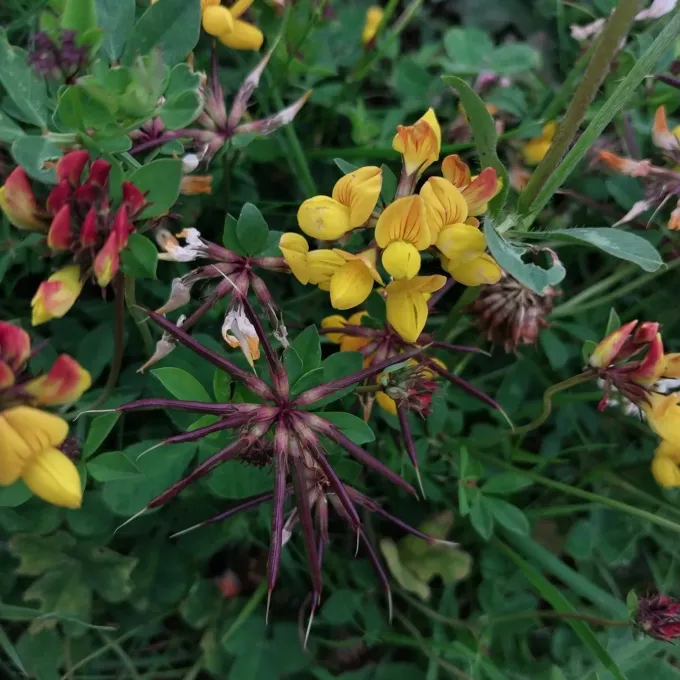
Biologically, it is characterized by succulent stems and yellow pea-like flowers. Its persistence in waterlogged soils makes it a critical component for sustainable agricultural use in lowland pastures.
Main diseases and pests
While generally robust, big trefoil can be susceptible to foliar fungal diseases like rust and powdery mildew, particularly in seasons with high humidity and stagnant air.
Pests such as weevils can damage both foliage and roots, potentially reducing stand vigor. Monitoring for signs of insect damage is essential during the early stages of growth.
Seed production can be negatively affected by insects that feed on developing pods. Implementing integrated pest management strategies helps to mitigate these losses significantly.
Maintaining adequate soil fertility and managing grazing pressure helps to keep plants healthy and resilient. Avoid overgrazing, which can weaken the root system and leave the stand open to opportunistic infections.
Ensuring proper aeration of the canopy through timely harvesting or controlled grazing can reduce the risk of disease outbreaks in dense, high-moisture pastures.