
Australian trefoil
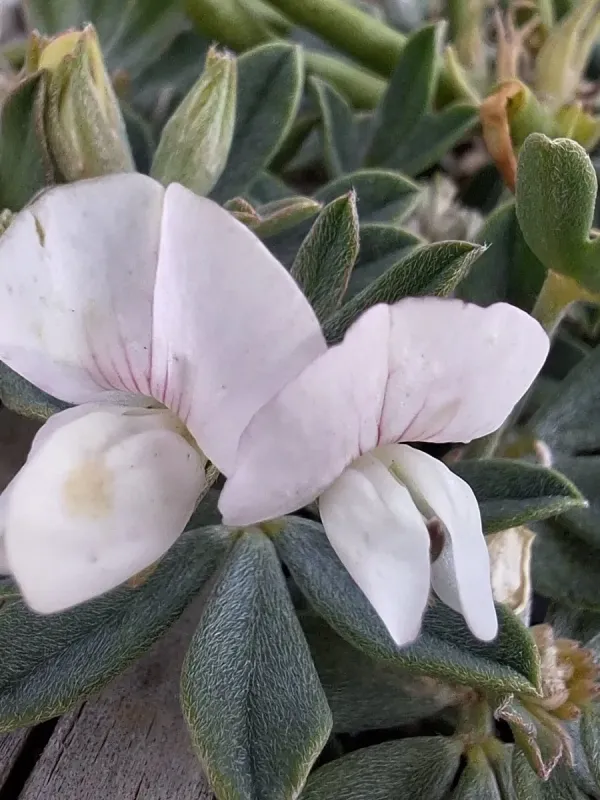
Lotus australis Andrews
Description
Sowing dates
Lotus australis, commonly known as Australian trefoil, is a member of the Fabaceae family, recognized for its role in native ecosystems.
When cultivating this species, seeds should be sown in prepared, warm seedbeds during the spring to ensure optimal germination rates.
Seed scarification is essential for successful establishment, as it helps break seed dormancy and allows moisture to penetrate the embryo.
The sowing depth must be shallow, typically around 1 to 2 centimeters, to allow the small seedlings to emerge efficiently without exhausting their energy reserves.
Strategic placement in the field ensures that plants receive adequate spacing to prevent disease spread and competition for resources.
Growing requirements
This crop thrives in well-drained, sandy or light-textured soils that mirror its native Australian habitat conditions.
It demonstrates remarkable drought tolerance, making it an excellent candidate for agricultural systems operating in regions with limited rainfall.
Exposure to full sunlight is a primary requirement for photosynthesis and biomass production, as shading can significantly hinder its development.
The soil should be maintained at a neutral to slightly acidic pH level to facilitate the effective function of nitrogen-fixing bacteria in the root nodules.
Proper field drainage is non-negotiable, as waterlogged conditions are highly detrimental to the root system and plant health.
Main diseases and pests
Like many legumes, this species is susceptible to various fungal pathogens when environmental humidity exceeds normal levels for extended periods.
Pests such as aphids and leaf-eating beetles can compromise plant vigor, especially during the early growth stages or peak flowering seasons.
Integrated pest management strategies, including biological controls and targeted chemical applications, are necessary for maintaining crop yield.
Regular field scouting is critical to catch signs of powdery mildew or other leaf diseases before they become widespread across the plot.
Maintaining high hygiene standards in the field, including the removal of infected debris, is a cornerstone of effective disease prevention.