

Crop
Italian ryegrass
Lolium multiflorum Lam. ssp. italicum (A. Br.) Volkart
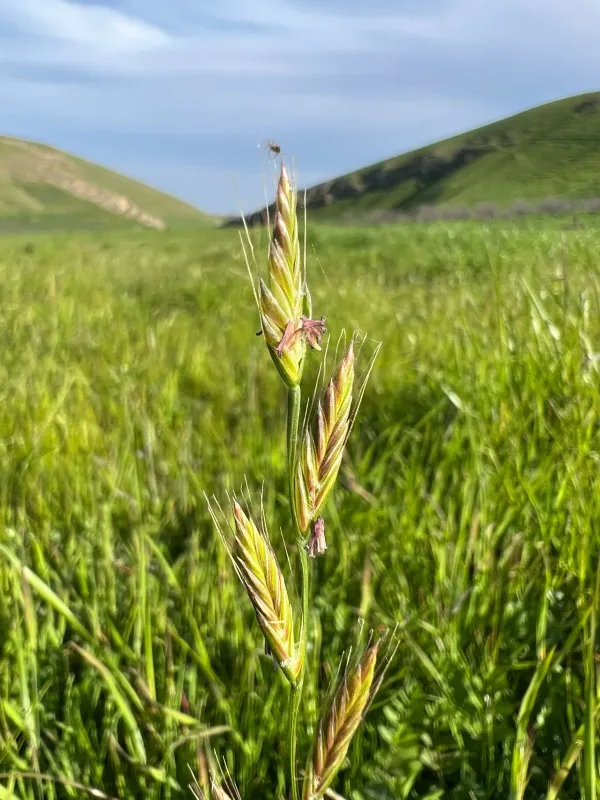
Description
Sowing dates
Italian ryegrass (Lolium multiflorum ssp. italicum) is a highly productive member of the Poaceae family. Sowing is typically performed in early spring once soil temperatures reach 5-8°C, which ensures robust germination.
For seasonal forage production, autumn sowing is also practiced in many regions. Proper seedbed preparation is essential, requiring a fine, firm tilth to ensure optimal soil-to-seed contact.
Seeding rates typically range from 25 to 35 kg/ha, depending on the planting method and intended use—whether for pasture establishment or mechanical harvesting.
Seeds should be covered lightly with 1-2 cm of soil. Following the sowing process, light rolling is recommended to conserve moisture and encourage uniform seedling emergence.
Italian ryegrass is known for its aggressive establishment and rapid growth rate, allowing it to quickly form a dense sward that suppresses competing weeds.
Growing requirements
This crop thrives in temperate climates and is highly dependent on sufficient moisture. It prefers fertile, well-drained loam soils with good water-holding capacity.
While it can adapt to various soil types, it performs best within a pH range of 6.0 to 7.5. It does not tolerate prolonged waterlogging or high-salinity conditions.
High fertility is crucial for maintaining productivity. Regular nitrogen applications are necessary after each harvest to support the rapid regrowth of the plants.
The plant is sensitive to extreme heat and drought. In regions with arid summers, supplemental irrigation is required to maintain growth and prevent plant senescence.
It prefers full sun exposure, although it has a moderate tolerance for partial shade. Exposure to extreme cold, particularly without snow cover, can reduce stand survival.
Yield
Italian ryegrass is valued for its exceptional biomass production. Under optimal management and irrigation, it can provide multiple harvests during a single growing season.
Yields of fresh green matter can reach 40 to 60 tonnes per hectare. The crop is highly palatable and rich in soluble carbohydrates and crude protein, making it excellent for high-performance dairy cattle.
Intensive cultivation techniques, including split nitrogen applications and timely mowing, are key to maximizing the annual yield potential of the crop.
The crop's rapid recovery time after mowing is its most significant advantage, providing a consistent supply of forage throughout the late spring and summer months.
Efficient utilization requires careful planning to prevent overgrazing, which can deplete root reserves and negatively impact the productivity of subsequent regrowths.
Main diseases and pests
Common diseases affecting Italian ryegrass include rusts and powdery mildew, which are more prevalent under conditions of high humidity and excessive canopy density.
Pest pressures often involve aphids, cereal leaf beetles, and stem-boring insects, which can cause significant damage to emerging shoots and reduce overall forage quality.
Integrated pest management strategies should emphasize crop rotation and proper stand density to minimize the need for chemical intervention.
When chemical control is necessary, practitioners must observe mandatory harvest and grazing waiting periods to ensure safety for livestock and consumers.
Selecting disease-resistant varieties is a foundational practice in reducing susceptibility to common pathogens while maintaining high biomass output.
Harvesting
For optimal nutritional quality, the crop should be harvested during the late vegetative stage or early heading. This timing balances high energy content with dry matter yield.
Mechanical harvesting for silage or haylage should be performed when the moisture content is appropriate to ensure high-quality fermentation in storage.
When used as pasture, rotational grazing is recommended to ensure even utilization and allow the plants adequate time to recover between grazing cycles.
The final harvest of the season must be timed correctly, allowing the plants to recover enough leaf area to build energy stores in the roots before winter dormancy.
Stubble height after mowing should be kept around 5-7 cm, which protects the crown of the plant and promotes faster and more vigorous regrowth for the next cycle.
Content graph
Connections · Italian ryegrass
Most often together:
Marketplace
Products · 10


TIVITUS, VG (Rimsulfuron, 250 g/kg)
ТОВ «Фабрика агрохімікатів», Черкаси, Україна
Herbicides
0
0
·
48
5 offers
15.44 €per 1 l
Buy


Klotoxim, k.e. Herbicide
«Шаньдунська хімічна компанія Чіачан» , Китай.
Herbicides
0
0
·
29
1 offer
6.32 €per 1 l
Buy


