
Foxtail barley
Hordeum jubatum L.
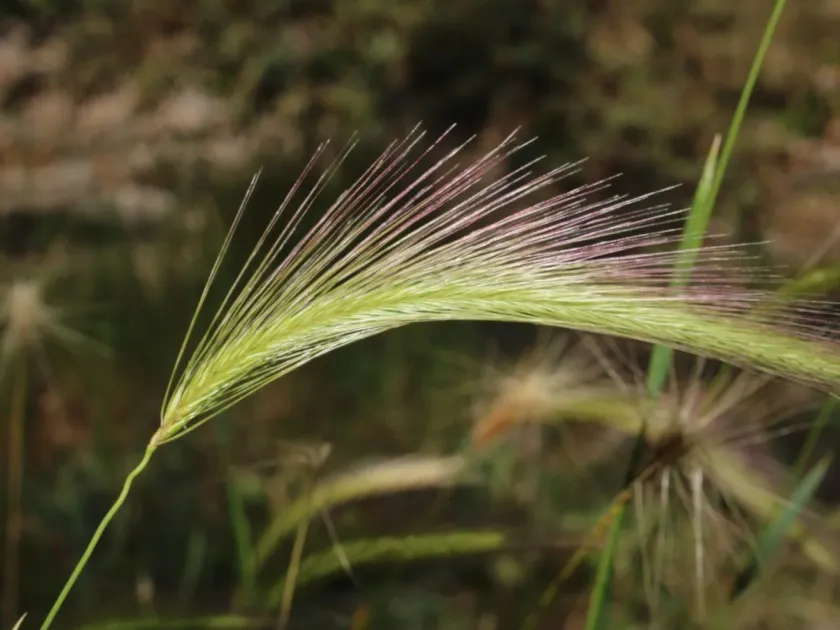
Description
Sowing dates
Foxtail barley (Hordeum jubatum) is a perennial ornamental grass that is typically propagated from seed. Sowing should take place in spring, once the soil has warmed up, or in late autumn for natural stratification during the winter months.
Seeds can be sown directly into the garden in well-prepared, loose soil. Because the seeds are small, they should be lightly covered with a thin layer of soil or compost, as they require some light to germinate effectively.
For indoor propagation, start seeds in trays during late winter. Maintain a temperature of about 18–20°C and ensure consistent moisture levels to promote rapid germination, which typically occurs within two weeks.
Once seedlings are robust enough, they can be transplanted into the garden. Maintaining a distance of 20–30 centimeters between plants ensures adequate airflow and prevents overcrowding as the grass matures.
Be aware that this species is a prolific self-seeder. If you do not want it to spread rapidly across your landscape, you must monitor the plants and remove seed heads before they shatter.
Growing requirements
Foxtail barley thrives in full sun, which is essential for developing its signature shimmering, silken awns. While it can tolerate partial shade, its ornamental qualities are significantly reduced in lower light conditions.
It is highly adaptable regarding soil types, performing well in sandy, loamy, or even clay soils, provided there is good drainage. It is particularly effective in sites where other plants might struggle due to poor soil fertility.
While this grass has moderate drought tolerance once established, it prefers consistent moisture to maintain its lush appearance throughout the peak of the summer season.
In terms of climate, it is extremely hardy and withstands cold winters across many temperate zones without requiring special protection. It does not demand heavy fertilization, though a light spring application of balanced fertilizer can encourage more vigorous growth.
Soil pH preference is broad, ranging from slightly acidic to slightly alkaline (pH 5.5 to 7.5), making it a very versatile plant for various landscape configurations.
Main diseases and pests
Hordeum jubatum is generally a robust plant, but it can be susceptible to fungal diseases such as powdery mildew, especially if planted in areas with poor air circulation or excessive humidity.
Rust diseases may appear on the foliage during exceptionally wet and cool summers. Managing plant density through regular thinning is the best cultural practice to prevent these fungal issues from spreading.
Pests such as aphids and spider mites may occasionally infest the plants, particularly during dry spells. If infestations become severe, horticultural oils or appropriate insecticides can be used for control.
Root rot is the most significant threat if the soil remains waterlogged for extended periods. Ensuring a site with excellent drainage is the primary defense against such issues.
Managing the plant's aggressive self-seeding nature is often considered a "threat" to the integrity of tidy garden borders. Regular maintenance is necessary to prevent it from becoming an unwanted weed in adjacent beds.
Harvesting
When grown for cut flower arrangements or dried displays, the ornamental heads should be harvested when fully expanded but before they begin to shed their seeds or degrade in quality.
For best results in drying, hang the stems upside down in a cool, dark, and well-ventilated area. This preserves the delicate silvery-pink color and prevents the heads from drooping or losing their fluffy texture.
In the landscape, pruning the dead foliage and spent flowering stalks down to the base in late autumn or early winter is recommended. This clears the garden for the dormant season and limits the unwanted dispersal of seeds.
If utilized in wilder meadows, it is often left standing through the winter to provide structural interest and potential seed for local bird populations before being cut back in early spring.
Dried arrangements should be stored in a low-humidity environment to prevent moisture absorption, which can cause the delicate structures to lose their aesthetic appeal over time.