
Chilean barley
Hordeum chilense Roem. & Schult.
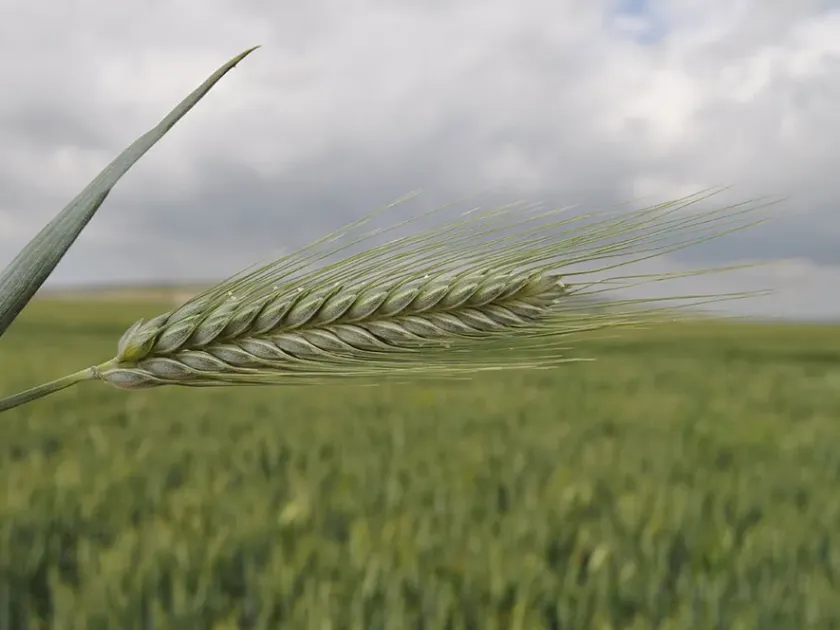
Description
Growing requirements
Chilean barley (Hordeum chilense Roem. & Schult.) is a wild perennial grass belonging to the Poaceae family. It is recognized as a vital genetic resource for modern agriculture due to its unique stress tolerance.
The species is native to South America, specifically in Chile and Argentina. It naturally occupies diverse environments ranging from coastal plains to semi-arid mountainous terrain.
Botanically, it features a robust growth habit and strong tillering capacity, which allows it to thrive in nutrient-poor conditions. It is known for its remarkable tolerance to high salinity levels.
The crop requires well-drained soils and thrives in regions with moderate temperatures and sufficient daylight. It is considered a drought-hardy plant that can withstand significant water deficits.
The primary use of Chilean barley is in wide-hybridization programs. Breeders utilize it to transfer desirable traits like salinity tolerance and nutritional quality into hexaploid wheat cultivars.
Main diseases and pests
Being a wild relative of cultivated barley, it possesses an inherent resistance to various common cereal diseases, including specific strains of rust and mildew.
Fungal pathogens associated with root rot are the primary threat when the plant is grown in poorly aerated or waterlogged substrates, which can hinder its development.
Insects like aphids and thrips can pose a threat to seedlings, especially in controlled greenhouse environments, requiring careful monitoring to preserve valuable germplasm.
The plant generally demonstrates high resilience to pests due to its physiological composition, often requiring minimal intervention compared to traditional cereal crops.
Maintaining phytosanitary standards in experimental plots is essential to protect the biodiversity of the species from localized agricultural pests and viral vectors.