
Two-row barley
Hordeum vulgare L. subsp. vulgare
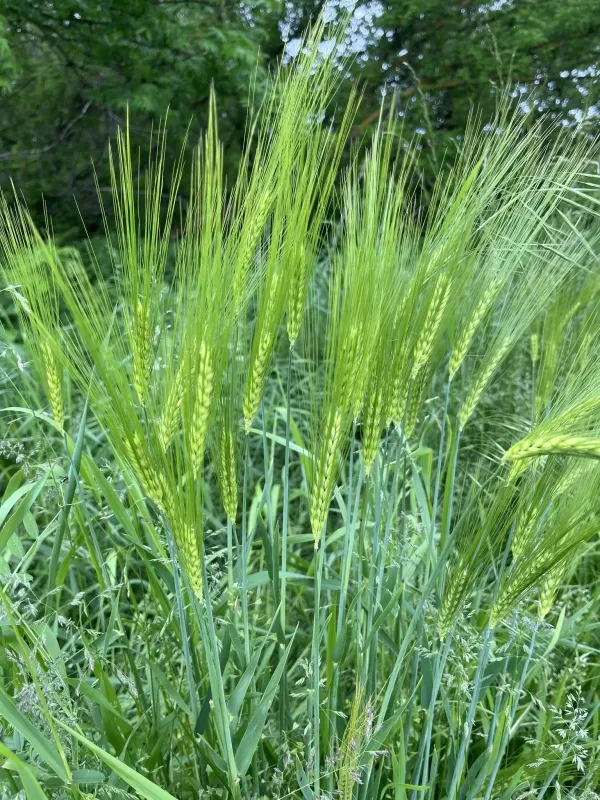
Description
Sowing dates
Two-row barley, Hordeum vulgare L. subsp. vulgare, is a highly valued member of the Poaceae family, widely grown for malting and animal feed production.
For spring varieties, sowing should occur as soon as the soil reaches a workable condition, usually at temperatures ranging from 2°C to 5°C, to leverage early-season moisture.
Winter varieties require a specific sowing window, typically 40–50 days before the first hard frost, ensuring the plants establish sufficient tillers to survive the winter dormancy.
Seeding rates are adjusted based on soil fertility and regional climate, generally ranging from 3.5 to 5.5 million viable seeds per hectare for optimal canopy density.
Planting depth should be consistent, usually between 3–5 cm, to ensure uniform emergence and to avoid excessive moisture loss in the seedbed, especially in sandy soils.
Growing requirements
Two-row barley thrives in fertile, well-drained loamy soils with a pH between 6.0 and 7.5, as it is particularly sensitive to soil acidity and aluminum toxicity.
The crop requires a moderate climate with adequate rainfall during the jointing and heading stages, as moisture stress during these periods significantly impacts yield.
Proper nutrient management is essential; while nitrogen promotes growth, excessive applications can cause lodging and decrease grain quality, which is crucial for the malting industry.
The plant benefits from balanced fertilization, including phosphorus for root development and potassium for stress resistance and stalk strength during the grain filling phase.
- Requires consistent exposure to sunlight.
- Sensitive to waterlogging and soil compaction.
- Responsive to micronutrient applications like copper and manganese.
Yield
With high-intensity management, two-row barley can achieve yields of 6 to 9 tonnes per hectare, reflecting its significant genetic potential in modern farming systems.
Yield performance is heavily dependent on the number of productive tillers per square meter, the number of kernels per spike, and the individual kernel weight.
Modern agronomic practices, such as the use of plant growth regulators (PGRs), are often employed to prevent lodging in high-yielding crops during periods of high rainfall.
The choice of variety is a major determinant, as breeders have developed cultivars specifically adapted to different photoperiods and disease pressures across various regions.
Optimal farm management, including precision fertilization and effective weed control, ensures that the crop reaches its maximum biological yield potential annually.
Main diseases and pests
Root rot diseases are a major threat, particularly in early development, often exacerbated by cool, damp soil conditions and poor crop rotation practices.
Foliar diseases like powdery mildew, net blotch, and rhynchosporium frequently affect the crop, requiring prophylactic fungicide applications to protect the photosynthetic area.
Insect pests, including aphids and cereal leaf beetles, can cause significant damage by feeding on young leaves or transmitting viral pathogens to the crop.
In the grain-filling stage, the crop is susceptible to damage from various stem-boring insects, which can weaken the straw and lead to yield losses through grain abortion.
Integrated pest management (IPM) programs involving seed treatments and regular field scouting are essential to minimize chemical inputs while maintaining crop health.
Harvesting
Harvesting is ideally conducted when the grain moisture content drops to 14–16%, ensuring the grain is stable for storage and maintains its high market value.
Direct combining is the most common harvest method, though swathing may be used if the crop is unevenly ripened or if weed pressure is high in the field.
For malting quality, harvest timing is critical to prevent grain sprouting or discoloration, which can render the crop unsuitable for the brewing industry requirements.
Proper combine settings, such as cylinder speed and concave clearance, are vital to prevent mechanical damage to the husk, which is a key quality metric for two-row barley.
Post-harvest handling involves efficient drying and cleaning to ensure that moisture levels remain low during storage, preventing the risk of fungal growth or heating.