
Northern wheatgrass
Elymus lanceolatus (Scribn. & J. G. Sm.) Gould subsp. lanceolatus
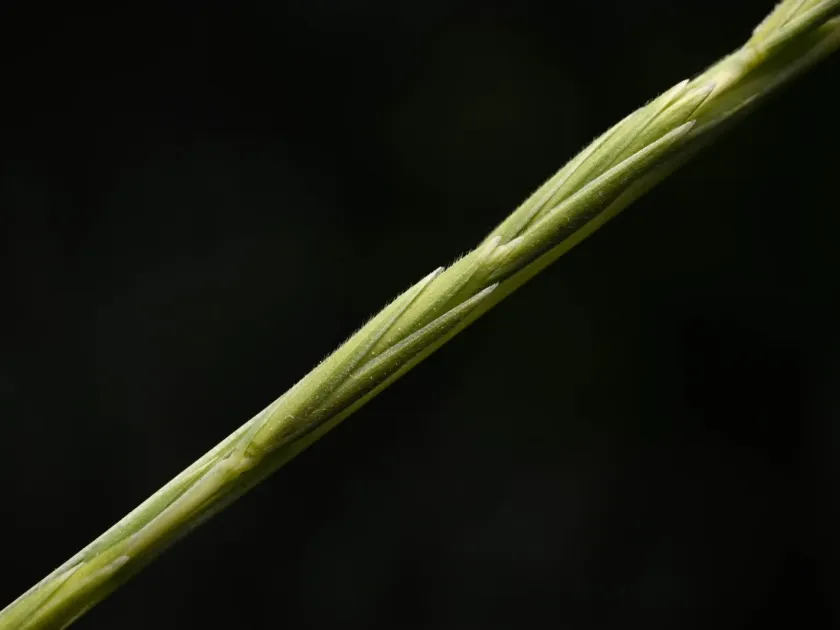
Description
Sowing dates
Sowing of Northern wheatgrass (Elymus lanceolatus) is typically carried out in early spring, once the soil has warmed to at least 5–8 degrees Celsius. Early seeding allows the crop to take full advantage of soil moisture from snowmelt to ensure rapid germination.
Dormant seeding in late autumn is also a viable practice, which helps prevent seed desiccation in the topsoil during the following spring. The optimal sowing depth is 2–3 cm on heavier soils and up to 4 cm on lighter, sandy substrates.
Seeding rates generally range from 10 to 15 kg per hectare for pure stands. The plant has vigorous seedling development, which helps it establish a dense stand that can successfully compete with invasive weed species.
Standard row sowing with 15–20 cm spacing is the most common management practice. Northern wheatgrass is frequently included in multi-species forage mixtures to improve pasture resilience in semi-arid environments.
Post-seeding field operations should include soil packing. This step is critical to establish firm contact between the seeds and the soil, which significantly increases germination rates in regions with limited rainfall.
Growing requirements
Northern wheatgrass is a member of the Poaceae family, widely recognized for its exceptional drought tolerance and environmental plasticity. Its native range originates from the northern regions of North America, where it has evolved to thrive in harsh, dry climates.
The plant has moderate fertility requirements but responds well to early spring nitrogen fertilization. It is highly adaptable to various soil types, including alkaline, saline, and coarse-textured soils, making it an excellent choice for rehabilitating degraded landscapes.
A key botanical feature is its dense rhizomatous root system, which serves as a highly effective tool for soil stabilization and erosion control. Stems reach heights of 60–100 cm and are covered in nutritious foliage, highly valued for livestock feed.
This species is exceptionally cold-hardy, capable of surviving extreme winter temperatures without loss of productivity. In water-scarce environments, Northern wheatgrass often outperforms other cool-season grasses.
It prefers full sun and is not suitable for heavily shaded areas. The optimal pH range for growth is between 6.0 and 8.0, allowing for cultivation across a broad geographical distribution of arable lands.
Yield
Forage yield for Northern wheatgrass typically ranges from 1.5 to 2.5 metric tons of hay per hectare, depending on moisture availability and agronomic inputs. Productivity is highest in the first half of the growing season.
To optimize nutritional output, nitrogen applications in early spring are recommended. Managing long-term stands requires occasional light harrowing to stimulate tillering and rejuvenate the underground rhizome structures.
The forage quality is high, particularly during the vegetative stage and early boot stage. It is palatable to all classes of livestock, making it a reliable source for both grazing and hay production.
The species withstands heavy grazing pressure well, provided that a rotational grazing schedule is followed. Its rhizomatous habit allows for recovery even after intensive feeding by animals.
Seed production yields are generally in the range of 300 to 600 kg per hectare. Harvesting must be timed precisely, as the seeds are prone to shattering if allowed to fully mature in the field.
Main diseases and pests
Northern wheatgrass possesses strong natural resistance to many common cereal diseases. However, in unusually humid conditions, powdery mildew can occasionally manifest, though it rarely reaches economic thresholds.
Insect pests such as grasshoppers or stem-boring flies can cause localized damage in seed fields. Integrated pest management strategies, including monitoring and timely insecticidal applications, are recommended for high-value seed crops.
Weed management is most critical during the establishment phase. Once the stand is fully established, its density usually suppresses most competing vegetation, minimizing the need for herbicide intervention.
Occasional occurrences of rust fungi may occur in specific climatic pockets. In cases of severe infection, systemic fungicides approved for forage crops should be used according to technical guidelines.
The most common cause of declining yields is stand aging. After 6–8 years, the density of the rhizomes can lead to reduced biomass production, signaling the need for renovation through mechanical tillage.
Harvesting
Hay harvest should occur at the early heading stage to capture the ideal balance between biomass quantity and nutritional content. Standard mowing equipment is used, followed by windrow drying to ensure quality.
When baling, it is crucial to ensure the moisture content is below 17% to prevent spoilage and nutrient loss. Properly stored Northern wheatgrass hay retains excellent color and nutritional value for winter feeding.
For seed production, direct combining is the standard method when moisture drops to 14–16%. Machine settings should be carefully calibrated to reduce mechanical damage to the delicate seed embryos.
After harvesting, seeds must be cleaned using industrial separators to remove debris and moisture-controlled to ensure longevity in storage. High-quality seed is vital for achieving uniform field emergence.
Grazing management does not require specialized harvesting, but caution should be exercised in the late autumn. Allowing the plant to store adequate energy in its rhizomes before the first frost is essential for winter survival.