
Slender wheatgrass
Elymus trachycaulus (Link) Gould subsp. trachycaulus
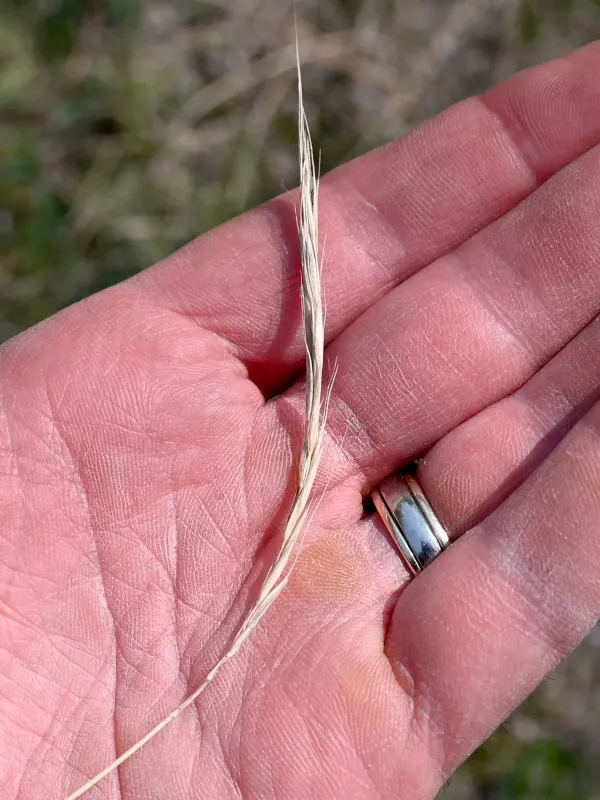
Description
Sowing dates
Slender wheatgrass (Elymus trachycaulus) is a perennial cool-season bunchgrass belonging to the Poaceae family. The establishment phase is critical, requiring precise preparation of the seedbed.
The ideal time for sowing is early spring or late autumn. Fall planting allows the seeds to undergo natural stratification, often resulting in superior germination rates when warmer weather arrives.
The recommended seeding rate varies by application but generally ranges from 10 to 15 kg per hectare. It is frequently included in native seed mixes for range improvement due to its ease of establishment.
Seeds should be planted at a shallow depth of approximately 1–2 cm. Proper soil contact is vital; therefore, using a cultipacker or heavy roller after drilling is standard practice to ensure moisture retention.
The species grows relatively slowly in the first season. Producers should minimize competition from weeds during this initial year to allow the seedlings to establish a healthy root system.
Growing requirements
This grass is highly adaptable and renowned for its cold tolerance. It thrives in various climates, particularly in regions with long, harsh winters and short growing seasons.
It prefers well-drained loamy or sandy soils but shows remarkable tolerance to different soil pH levels. It is frequently utilized on sites that are slightly saline or calcareous.
While drought-tolerant, Slender wheatgrass performs best with moderate moisture. It avoids areas prone to stagnant water or prolonged flooding, as it requires adequate soil aeration.
Full sun exposure is necessary for maximum productivity. In shaded environments, the grass density decreases, potentially leading to lower overall biomass yields and increased weed encroachment.
Nitrogen fertilization in early spring can significantly boost productivity. Maintaining a balance of soil phosphorus and potassium ensures long-term stand longevity and plant vigor.
Yield
Slender wheatgrass provides reliable yields of high-quality forage. It is highly valued for its leafiness, which enhances its palatability for both cattle and wildlife throughout the season.
Dry matter yields typically range from 3 to 6 tons per hectare under managed conditions. Yield can vary significantly based on soil fertility and the amount of precipitation received during the growing season.
This grass is widely used for pasture, hay production, and range restoration. It is particularly effective at stabilizing soils on disturbed sites, such as mining areas or eroded slopes.
It recovers well from grazing if provided with adequate rest periods. This makes it a preferred species for sustainable range management programs in temperate regions.
When used in reclamation, it serves as a fast-establishing cover that prevents soil loss. Its root structure effectively builds soil organic matter over time, restoring degraded landscapes.
Main diseases and pests
The species is generally resistant to most common grain diseases. However, in overly dense stands or humid conditions, it may occasionally show signs of minor fungal issues.
Pests such as grasshoppers or aphids can pose threats in certain years. Monitoring should be conducted during the active growing season, especially in the early stages of development.
To mitigate the risk of disease, producers should avoid over-fertilization and ensure proper field ventilation through timely harvesting. A healthy, non-crowded stand is the best natural defense.
If insect populations reach economic thresholds, integrated pest management strategies should be applied. Chemical intervention is rarely needed but may be used when necessary.
Maintaining a clean field boundary reduces the entry point for various pests. Careful management of neighboring crop fields also prevents the migration of harmful insects to the grass stand.
Harvesting
Harvesting for hay should be timed to the early heading stage. This provides the optimal balance between high protein content, digestibility, and total biomass yield for the forage.
When harvesting for seed, the timing is critical. It should be completed when the seeds are fully developed but before significant shattering occurs, as the species can lose seeds easily.
Standard mowing and baling equipment are suitable for this crop. Because it dries relatively quickly, hay can often be baled shortly after cutting under fair weather conditions.
Seed production requires careful combine adjustment to avoid damaging the slender seeds. Windrowing followed by threshing is often preferred to ensure maximum harvestable volume.
Managing the aftermath is important for stand persistence. Leaving a sufficient amount of stubble over winter protects the crowns from cold damage and helps retain snow moisture for spring growth.