
Giant lyme grass
Leymus racemosus (Lam.) Tzvelev subsp. Racemosus
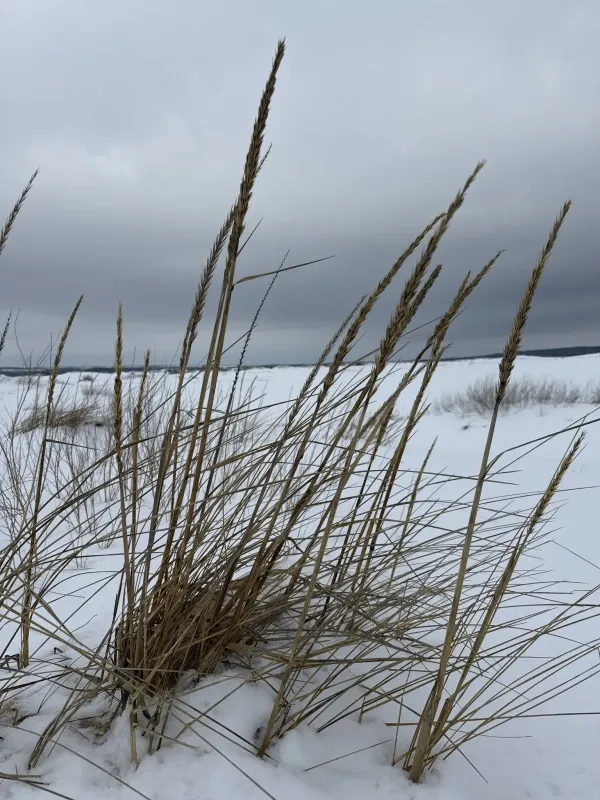
Description
Growing requirements
Giant lyme grass (Leymus racemosus) is a robust perennial plant species belonging to the Poaceae (grass) family. It is widely recognized for its deep and extensive rhizomatous root system, which is capable of anchoring itself in unstable environments.
The native distribution of this species spans across the steppes and arid regions of Eurasia. It is classified as a psammophyte, specifically adapted to thrive in sandy substrates and dunes where other vegetation often fails.
Regarding soil requirements, this grass performs exceptionally well in sandy and loose-textured soils. It is highly valued for its ability to withstand extreme water scarcity, making it a critical component for desertification control.
Climatic adaptability is one of the key strengths of this species. It survives harsh continental winters and high summer temperatures without the need for additional irrigation after the establishment phase.
The primary agricultural and environmental use is land reclamation and soil stabilization. In some regions, it is also harvested as forage, providing a necessary food source for livestock in arid environments.
Main diseases and pests
The primary threats to the health of lyme grass stands include specialized grass-feeding insects such as aphids, which can inhibit the growth of younger plants.
Soil-borne pests like wireworms may occasionally damage the root structure, although the plant's aggressive rhizome production often allows it to compensate for minor damage.
Fungal diseases are generally minimal due to the dry environment where the plant is typically grown; however, powdery mildew can occur if air circulation is poor.
Managing the plant density and ensuring proper spacing helps in reducing the impact of potential infestations during the early stages of establishment.
Integrated pest management strategies focusing on cultural practices are usually sufficient to maintain the health and vigor of established lyme grass populations.