
Hoffmann's wheatgrass
Elymus hoffmannii K. B. Jensen & K. H. Asay
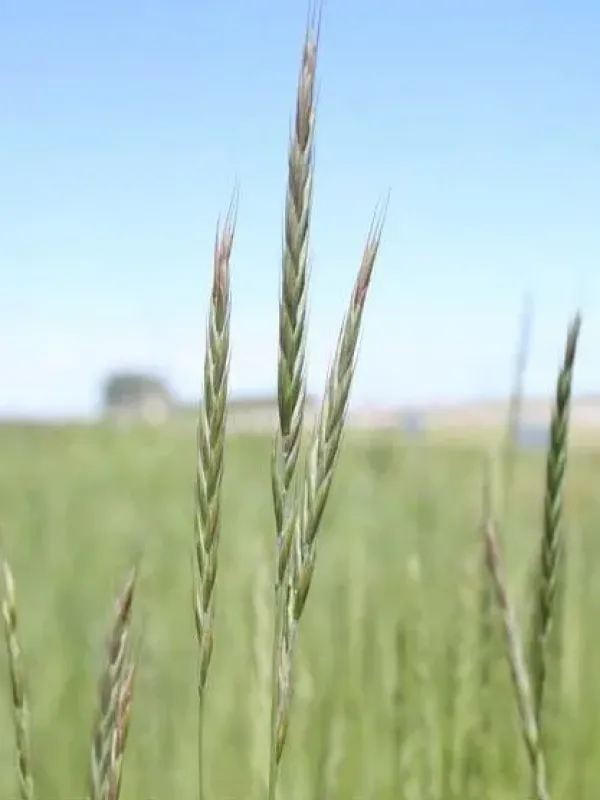
Description
Sowing dates
Hoffmann's wheatgrass (Elymus hoffmannii) is a perennial cool-season grass known for its robustness. Planting should ideally occur in late autumn or early spring to utilize natural soil moisture for optimal seed germination.
Seeds should be sown at a shallow depth of approximately 1-2 cm. Precision in seeding depth is crucial, as placing the seeds too deep can impede the emergence of seedlings and reduce overall stand establishment.
Selecting high-quality, certified seed is essential to ensure a uniform and productive stand. Using a drill seeder at recommended row spacings helps in managing competition and optimizing the density of the forage crop.
This species exhibits strong seedling vigor, which allows it to establish quickly. A well-established stand effectively covers the ground, preventing soil erosion and helping to suppress invasive weeds early in the season.
Field preparation should involve creating a firm, weed-free seedbed. Proper moisture management immediately after sowing significantly increases the likelihood of a successful and long-lasting stand of this valuable grass.
Growing requirements
Hoffmann's wheatgrass is celebrated for its exceptional drought tolerance, making it an ideal choice for arid and semi-arid environments. Its extensive root system allows it to thrive where many other forage species would struggle.
The grass is highly adaptable to a variety of soil types, including those with moderate salinity. It performs best on well-drained soils, although it shows reasonable tolerance to various pH levels ranging from neutral to alkaline.
While the plant is incredibly hardy, nitrogen fertilization during the early growing season can boost biomass production. It is a sun-loving plant that requires full exposure for optimal photosynthetic efficiency and seed production.
Winter hardiness is a defining characteristic of this wheatgrass. It easily survives sub-zero temperatures and breaks dormancy early in the spring, providing a head start on forage availability for livestock.
The species is well-suited for reclamation projects and degraded lands. Its ability to maintain cover and soil stability under stress conditions makes it a cornerstone of sustainable land management strategies.
Main diseases and pests
Hoffmann's wheatgrass possesses high natural resistance to many common grass pathogens. This biological resilience is a major asset for producers looking to minimize pesticide input and adopt more sustainable practices.
Under conditions of high humidity or poor ventilation, leaf rust may occasionally appear. Management involves maintaining appropriate stand density and avoiding over-irrigation or excessive nitrogen application that encourages succulent, susceptible growth.
Soil-dwelling pests like wireworms may occasionally cause damage to young seedlings. Regular field scouting during the establishment phase is recommended to identify potential issues before they cause significant economic loss.
Weed competition is the greatest threat during the first few weeks of growth. Using pre-emergent control measures or mechanical cultivation can help the wheatgrass establish dominance over unwanted vegetation.
Once the stand is fully established, the grass is highly effective at outcompeting weeds. Its competitive nature is one of the reasons it is favored for long-term pasture and rangeland improvements.
Harvesting
This grass is primarily utilized for hay production and rotational grazing. Harvesting for hay should occur during the boot-to-heading stage to capture the best balance of protein content and total forage yield.
In grazing systems, rotational management is key to maintaining stand longevity. The plant recovers well from grazing, provided that sufficient regrowth period is allowed between successive grazing events.
For seed production, harvest should be timed when the seed heads are fully mature but before natural shattering occurs. Adjusting combine settings is vital to prevent mechanical damage to the seeds.
Post-harvest cleaning and drying to a moisture content of 12-14% are necessary for safe storage. Storing seeds in a cool, dry environment maintains high germination rates for future planting seasons.
With proper management, Hoffmann's wheatgrass can remain productive for many years. It is a reliable, low-maintenance component of modern forage production systems aimed at long-term profitability.