
Desmanthus pernambucanus
Desmanthus pernambucanus (L.) Thell.
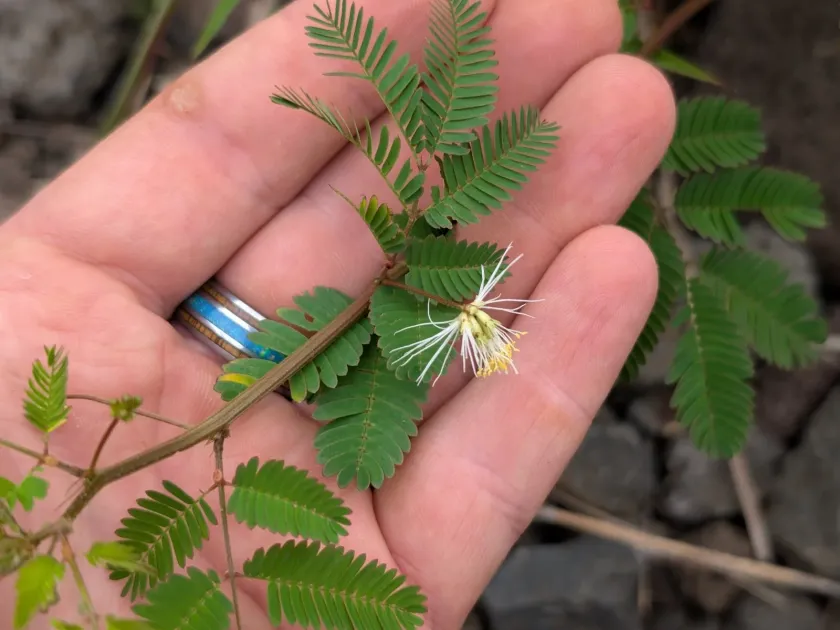
Description
Sowing dates
Sowing of Desmanthus pernambucanus is ideally timed at the onset of the rainy season. This timing ensures sufficient soil moisture for seed germination, allowing the young plants to establish a robust root system before the onset of any potential dry periods.
Seed scarification is a crucial pre-sowing practice for this species. Because the seeds possess a hard, water-impermeable seed coat, mechanical or chemical scarification is necessary to break dormancy and ensure high and uniform germination rates.
The seeding rate typically ranges from 3 to 5 kilograms per hectare. Row spacing is usually kept between 50 and 70 centimeters, which provides sufficient space for plants to develop significant biomass while allowing for easy maintenance and weed control during the establishment phase.
Seeds should be planted at a shallow depth of 1 to 2 centimeters. Because the seeds are small, they lack the energy reserves to emerge from deep soil layers, making precise depth control a critical factor for successful crop stand establishment.
The plant is suitable for no-till drilling into existing pastures. Its competitive nature allows it to establish well alongside other grass species, making it an excellent candidate for intercropping and overseeding programs in degraded rangelands.
Growing requirements
Desmanthus pernambucanus is a perennial shrubby legume that thrives in tropical environments. It is highly valued for its ability to fix atmospheric nitrogen in symbiosis with rhizobia, which contributes to soil fertility and sustainable land management.
The plant adapts to a wide variety of soil types, including sandy, loamy, and clay-rich soils. However, it performs best on well-drained soils with a neutral to slightly alkaline pH, showing good tolerance to temporary waterlogging in some environments.
A key trait of this species is its exceptional drought tolerance. The deep taproot allows the plant to access moisture in lower soil profiles, ensuring it remains green and productive during periods of water scarcity that would inhibit the growth of less hardy forage species.
Desmanthus pernambucanus requires full sunlight to achieve maximum growth potential. It does not tolerate shade well, and therefore, it should be cultivated in open fields or sparsely wooded areas rather than under a dense canopy of trees or in heavily shaded conditions.
Temperature requirements are strictly tropical. The species prefers temperatures between 25 and 35 degrees Celsius for active growth. It is highly sensitive to frost, which limits its commercial cultivation range to frost-free tropical and subtropical regions.
Yield
The biomass yield of Desmanthus pernambucanus is marked by rapid regrowth following harvesting or grazing. This quality makes it a reliable source of green forage throughout the growing season, even under intensive use systems.
Under favorable conditions, dry matter yields can range from 5 to 10 tonnes per hectare. With proper management and strategic phosphorus application, these yields can be maintained over several years, ensuring consistent productivity for the farm.
The nutritional profile of the plant is high in crude protein, particularly in the leaves. This makes it an excellent supplement for ruminant livestock, as it helps to balance the energy-rich but protein-poor diets often found in tropical grass-dominated grazing systems.
Palatability is high, with cattle and other livestock readily consuming both leaves and tender stems. The species retains its forage value well, even as it matures, providing a stable source of nutrition when other plants might have already lost their feed value.
Management-intensive grazing strategies can significantly increase long-term output. Regular monitoring of the stand density and periodic fertilization ensure that the stand remains productive and competitive, often lasting for 5 to 7 years without the need for reseeding.
Main diseases and pests
The most significant threats to seed production are insect pests that target the pods and flowers. Seed-feeding weevils can significantly reduce yields, so monitoring for these pests during the flowering phase is essential for seed-growing operations.
Fungal diseases, such as leaf spot, may appear during periods of high humidity and poor air circulation. While the plant is generally resilient, dense stands can foster a microclimate that encourages these diseases, necessitating proper thinning or management.
Root-knot nematodes can occasionally cause problems in degraded soils. Crop rotation and maintaining overall soil health are the primary strategies to mitigate nematode pressure, as chemical control is rarely economical or recommended for large-scale forage pastures.
Aphids might colonize the tender tips of growing shoots. However, natural predators like ladybugs usually keep populations in check, making chemical intervention unnecessary in most cases, which is a major advantage for sustainable livestock operations.
Early-stage weed competition is the biggest hurdle for seedling survival. During the first two months, the plant is vulnerable, and adequate weed management is critical to allow the young seedlings to establish and successfully shade out competitors.
Harvesting
Harvesting for hay should occur at the onset of the flowering stage to capture the optimal balance of biomass volume and crude protein content. Cutting at this time ensures high-quality forage for winter feeding or storage.
In rotational grazing systems, it is vital to avoid overgrazing. Grazing animals should be moved to new paddocks before they eat the plants down to the base, as this preserves the root reserves necessary for fast regrowth and longevity.
The recommended stubble height for harvesting is approximately 10 to 15 centimeters. Leaving this height allows for active axillary buds to initiate regrowth, ensuring the plant can bounce back quickly after being mowed or grazed.
Seed harvesting should be performed mechanically once the pods turn brown. Timing is crucial because the pods naturally dehisce, or split open, in hot, dry weather, which can lead to significant grain loss if the harvest is delayed.
Post-harvest handling involves thorough drying and cleaning to remove impurities. Seed should be stored in cool, dry conditions to maintain viability and prevent premature spoilage before the next planting cycle begins.