
Velvet brome
Bromus subvelutinus Shear
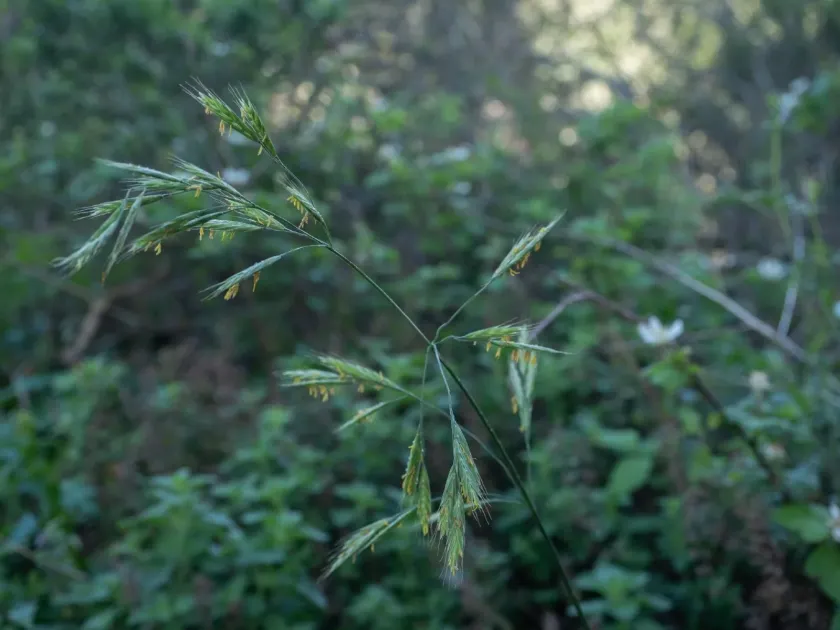
Description
Growing requirements
Velvet brome (Bromus subvelutinus) is a member of the Poaceae family. This perennial grass is primarily recognized for its suitability in range improvement and forage production in temperate climates.
The crop requires well-drained, fertile soils with a neutral pH level. It demonstrates good resilience to seasonal variations in temperature, making it a reliable choice for perennial pastures in various environments.
Botanically, the plant is characterized by its distinct velvety texture due to soft pubescence on the stems and leaves. It features a fibrous root system that provides stability and helps in soil erosion control on slopes.
Its natural distribution is largely centered in western North America, particularly in mountainous and foothill regions. It thrives in open landscapes and is capable of competing with native grasses in specific ecological niches.
Agricultural use focuses on providing high-quality forage for livestock. The plant is valued for its regrowth capability after grazing and its nutritional profile, which supports cattle and sheep nutrition effectively.
Main diseases and pests
Common fungal diseases, such as leaf rust and powdery mildew, represent the primary threat to the health of velvet brome stands. These conditions are typically exacerbated by dense planting and high humidity levels.
Insect pests include cereal aphids and various species of grasshoppers. Management strategies involve field monitoring during the growing season and the application of integrated pest management practices to prevent significant yield losses.
Root rot represents a risk in areas with poor drainage. Establishing the crop in soil that allows for efficient water movement is crucial for long-term stand longevity and productivity.
- Timely harvesting to reduce inoculum buildup.
- Ensuring proper spacing to improve air circulation within the stand.
- Strategic nitrogen management to avoid excessive succulent growth.
Maintaining a vigorous stand through proper grazing or cutting schedules is the best defense against weed encroachment and disease pressure. Healthy, well-managed plants are significantly more resistant to environmental and biotic stressors.