
Mountain brome
Bromus carinatus Hook. & Arn.
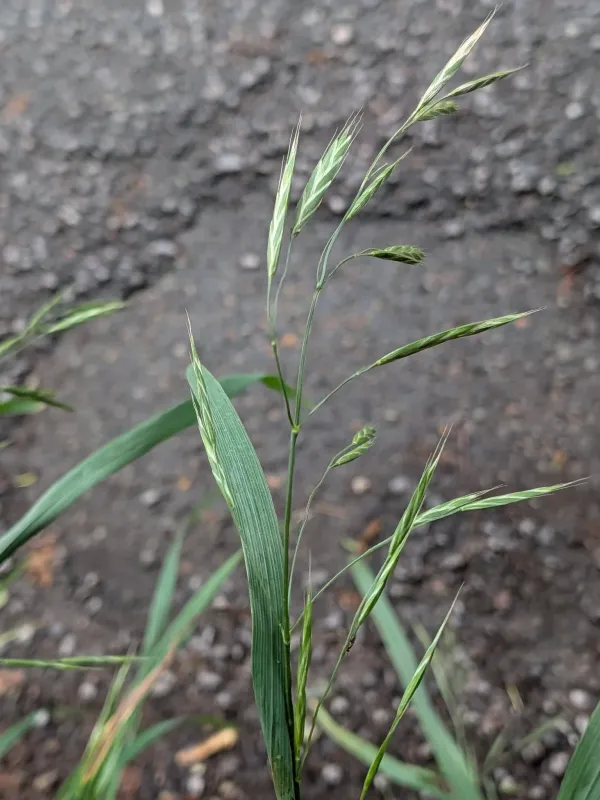
Description
Sowing dates
Mountain brome (Bromus carinatus) is a short-lived perennial or biennial grass widely valued for its rapid establishment and high biomass production. It is best sown in early spring or late summer, ensuring the seeds are placed at a depth of 1–2 cm in well-prepared, moist soil.
When seeding, a rate of 12–15 kg per hectare is standard for pure stands. Proper seed-to-soil contact is critical for success; therefore, using a drill followed by a cultipacker ensures that the small seeds are embedded firmly to prevent drying out before germination.
Mountain brome is an excellent component in mixtures with legumes like alfalfa or clover. It grows quickly, providing early season cover while the slower-establishing legumes take root, creating a high-protein forage base that benefits cattle and sheep grazing operations.
In regions with short growing seasons, early spring planting is preferred to take advantage of soil moisture. If sowing in the fall, it should be done at least 6 weeks before the first killing frost to allow the young plants to develop sufficient root mass for winter survival.
After seeding, regular monitoring for early weed competition is essential. Because Mountain brome establishes quickly, it can effectively compete with most annual weeds, but keeping the field clean in the first few weeks significantly improves the final stand density.
Growing requirements
This grass species is native to western North America and is known for its remarkable ecological adaptability. It thrives in various environments, from temperate coastal regions to high-altitude mountainous areas, showing excellent cold tolerance and winter hardiness.
It prefers deep, well-drained loamy soils but can tolerate a range of soil types, including slightly acidic or alkaline conditions. While it requires moderate moisture for optimal growth, it does not perform well in waterlogged or swampy conditions where root aeration is restricted.
Nitrogen fertilization is the primary driver of high yields in Mountain brome. Split applications, particularly in early spring and immediately after the first cut, maintain steady growth and improve the nutritional profile of the forage by increasing crude protein levels.
The plant has a deep, robust root system that helps it access water during dry periods. Although it is not a drought-tolerant crop in the same sense as native desert grasses, it stays green longer than many other cool-season grasses during the mid-summer heat.
Mountain brome performs best in full sun but can tolerate partial shade, making it a versatile choice for orchard intercropping or agroforestry systems where light availability is limited by the tree canopy.
Yield
Yield potential for Mountain brome is high, often ranging from 6 to 10 tons of dry matter per hectare under intensive management. The highest biomass accumulation occurs in the second year, after which the stand may start to decline unless it is allowed to reseed.
Intensive grazing or multi-cut harvesting cycles can yield multiple harvests per season. By managing the cutting frequency and intensity, farmers can balance between high biomass volume and forage quality, ensuring maximum efficiency of the land.
Seed production is another viable economic option for this crop. Yields can reach up to 500–700 kg per hectare. Because the seeds are large and germinate easily, harvesting at the peak of maturity is essential to avoid significant losses from shattering.
For pasture settings, the species is highly palatable and digestible, making it a favorite for livestock. It provides an excellent transition feed between winter and the peak of the growing season due to its ability to initiate growth earlier than many other grasses.
Maintaining long-term productivity requires careful monitoring of plant vigor. If the stand is grazed or mowed too low too often, the regrowth rate will suffer, leading to reduced overall seasonal yields and decreased energy reserves in the root system.
Main diseases and pests
The most common disease threats include rusts (Puccinia spp.) and powdery mildew, which appear during humid conditions. Maintaining good airflow in the stand and avoiding excessive nitrogen rates can help minimize the severity of these fungal infections.
Pests such as grasshoppers can cause significant damage in dry years, rapidly consuming foliage and reducing forage availability. Integrated pest management (IPM) strategies, including biological controls and timely harvesting, are recommended to mitigate these impacts.
Wireworms and white grubs are potential underground pests that can cause stand thinning by feeding on the root system. Proper crop rotation before sowing is the most effective preventative measure against these soil-borne threats.
Aphids can colonize the crop during the spring, leading to stunted plant growth and the transmission of viral diseases. Regular scouting helps identify outbreaks before they reach economic injury levels, allowing for targeted interventions.
To keep the stand healthy, avoid overgrazing, which invites invasive weeds and weakens the brome plants. A healthy, competitive stand of Mountain brome is the best defense against both weed encroachment and disease susceptibility.
Harvesting
The ideal time to harvest for high-quality hay is when the grass is in the boot stage or early flowering. Harvesting at this stage ensures the best balance between dry matter yield and nutritional quality, specifically regarding protein content and fiber digestibility.
Stubble height should be maintained at 8–10 cm after mowing. This height preserves the plant's growing points and ensures that enough photosynthetic area remains for rapid recovery and regrowth in the subsequent cut.
If utilizing the crop for haylage, aim for a moisture content of 50–60% before baling and wrapping. This method preserves a higher percentage of the plant's total nutritional value compared to field-cured hay, which is prone to losses during drying.
Seed harvesting should be timed carefully. As soon as the seeds reach the dough stage and start to change color, they become prone to shattering. Using a combine with adjusted settings to reduce wind speed is necessary to prevent blowing valuable seed out of the machine.
Proper storage is essential to maintain the quality of the harvested product. Whether baled or silaged, the feed must be kept dry and protected from elements to prevent spoilage and heating, ensuring a high-quality winter feed source for the farm.