
Cheatgrass
Bromus tectorum L.
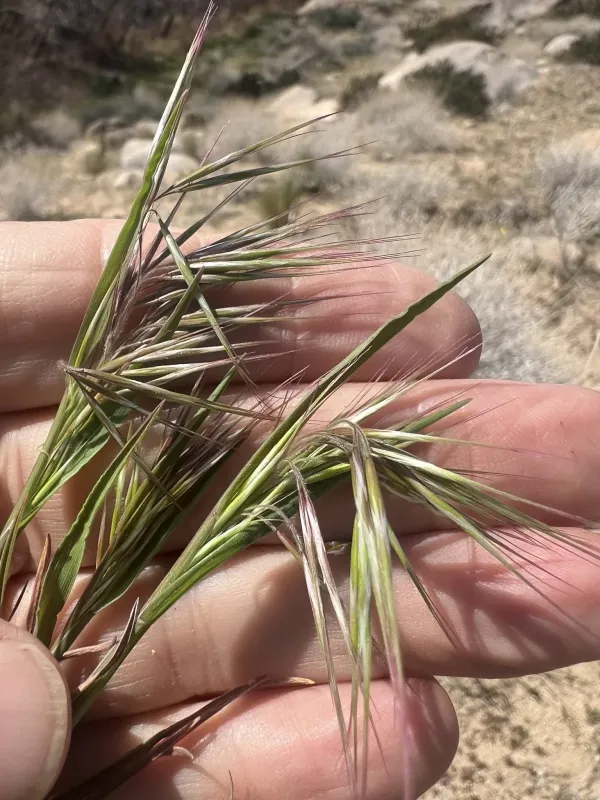
Description
Sowing dates
Cheatgrass is primarily a winter or spring annual grass known for its high plasticity in germination timing. Most seeds germinate in the autumn, giving the plant a significant competitive advantage by the early spring.
Seeds of this plant maintain high viability even when left on the soil surface. Autumn germination allows the plant to overwinter in the tillering stage, making it a severe competitor for winter cereals.
Spring seedlings appear very early as soon as the soil warms up to minimum positive temperatures. This allows the weed to complete its full life cycle before the onset of summer drought.
In regions with mild climates, seeds can germinate throughout the growing season if moisture is available. However, the main flush of seedlings typically occurs during the autumn period.
Agronomists manage the emergence of cheatgrass by strictly adhering to crop rotations and timely soil tillage, which effectively prevents mass rooting of young seedlings.
Growing requirements
This grass species belongs to the Poaceae family and is characterized by exceptional ecological endurance. It favors dry, well-lit areas and is commonly found on disturbed lands, pastures, and abandoned fields.
Cheatgrass is not demanding in terms of soil fertility, successfully adapting to both light sandy soils and rocky substrates. A neutral or slightly alkaline pH level is optimal for its development.
The plant is highly drought-tolerant, allowing it to dominate in steppe and semi-desert zones. Its roots are capable of efficiently extracting moisture from the upper soil horizons.
The minimal precipitation required for its growth makes it an extremely dangerous weed in regions of intensive agriculture, where it outcompetes crops for limited water resources.
Good soil aeration promotes faster root system development, often making it a pioneer species on fields managed with minimum tillage practices.
Main diseases and pests
Cheatgrass serves as a host for many fungal diseases of cereals, including various types of rust and smut. This creates a high infection background for wheat and barley crops.
Pests that affect cultivated grasses often use cheatgrass as an intermediate host for feeding and reproduction during the off-season. Notable examples include cereal flies and leafhoppers.
High population density of the weed in fields is particularly dangerous as it promotes the development of root rots in stressed cultivated plants.
The biological resilience of cheatgrass to standard control methods makes management challenging. A single plant can produce thousands of seeds, leading to rapid contamination of the arable soil layer.
- Susceptibility to rust fungi.
- Reservoir for smut pathogens.
- Food source for harmful insects.
- Degradation of crop quality due to contamination.
- Decline in the phytosanitary status of fields.