
Barren brome
Bromus sterilis L.
Description
Growing requirements
Barren brome (Bromus sterilis L.) is an annual grass species belonging to the Poaceae family. It is recognized primarily as a problematic weed in arable fields, capable of outcompeting cereal crops for sunlight, nutrients, and moisture.
The plant originates from the Mediterranean and temperate regions of Europe and Asia. It has successfully naturalized in many parts of the world, thriving in disturbed soils, field margins, hedgerows, and roadside verges where competition from perennial vegetation is low.
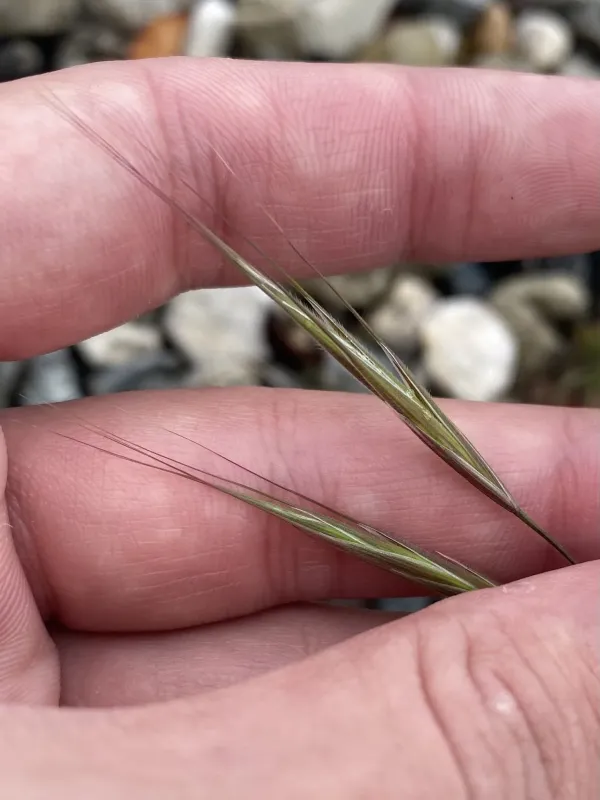
Botanically, it features nodding panicles with long, rough awns that help in seed dispersal. The stems typically grow in bunches, and the plant is characterized by its ability to germinate throughout the year, depending on soil moisture levels.
Regarding site requirements, Bromus sterilis prefers well-drained but fertile soils. It is particularly competitive in fields with high nitrogen availability, where its rapid growth cycle allows it to reach maturity and shed seeds before the harvest of the main crop.
Effective management requires a combination of cultural practices, such as crop rotation with spring-sown crops, and the use of targeted herbicides. Early autumn cultivation is often used to stimulate germination of the seed bank before drilling the next crop.
Main diseases and pests
Barren brome acts as a major reservoir for various viral and fungal diseases affecting cereal crops. It significantly contributes to the persistence of diseases like wheat rust and various types of mildews within agricultural landscapes.
Pests such as cereal aphids and Hessian flies often utilize barren brome as an alternative host during the early parts of the growing season. This enables pest populations to bridge gaps between seasons and eventually migrate to neighboring crop fields.
The accumulation of dry, awned inflorescences can lead to increased fire hazards in dry summer conditions. Furthermore, if harvested with grain, the seeds can be difficult and costly to separate, reducing the overall market quality of the yield.
When present in hay or forage, the sharp, barbed awns of the plant can cause mechanical damage to the mouths and digestive tracts of livestock. This makes infested fields unsuitable for high-quality animal fodder production.
Integrated pest management (IPM) is essential for control. Strategies include maintaining clean field edges, utilizing stale seedbed techniques, and ensuring that agricultural machinery is cleaned thoroughly to prevent the spread of seeds between different field zones.