
Soft brome
Bromus racemosus L.
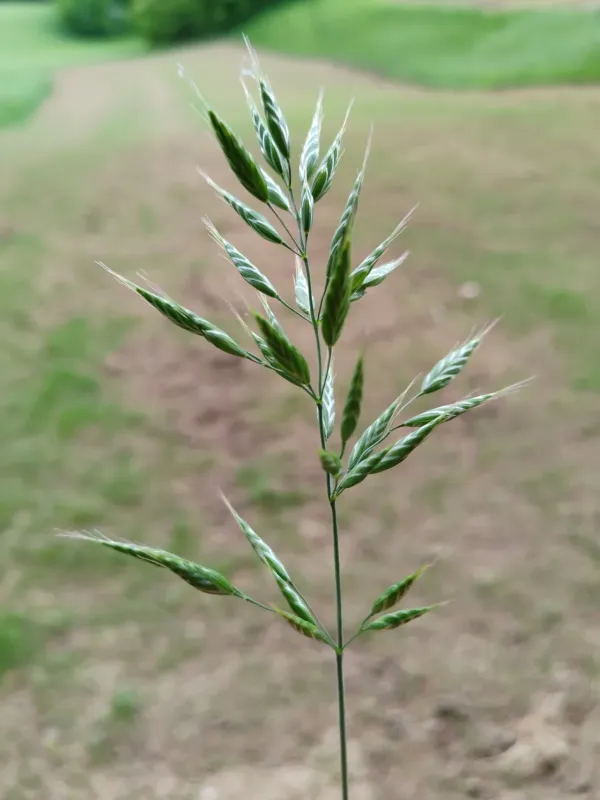
Description
Sowing dates
Soft brome is an annual grass, and its planting timing depends heavily on the regional climate and intended land use. Autumn planting, usually in late August or September, is preferred in many areas to allow the plants to establish a strong root system before the onset of winter.
For spring sowing, it is crucial to perform the work as early as soil conditions permit. Early establishment allows the seedlings to tap into winter moisture reserves, which is essential for ensuring uniform germination and healthy stand development in the early growth stages.
The seeding rate for soft brome typically ranges from 12 to 16 kilograms per hectare, depending on seed quality and the sowing method used. Precision seeding ensures better plant spacing and optimizes the nutrient competition within the field.
Seed depth should be adjusted based on the soil texture and moisture levels. In light sandy soils, a depth of 3-4 centimeters is appropriate, whereas in heavier clay soils, planting should be shallower, about 2 centimeters, to prevent emergence failure.
Post-seeding rolling is an essential agronomic practice for this crop. By firming the soil around the seeds, growers ensure better moisture contact and soil consistency, which significantly increases the overall success rate of field germination.
Growing requirements
As a member of the Poaceae family, soft brome displays strong adaptability to various environments. While it thrives in temperate climates, it prefers moist but well-drained habitats and is generally tolerant of moderate variations in temperature throughout its growing season.
The crop performs best on fertile loamy or alluvial soils. It does not tolerate prolonged waterlogging or severe drought, making the selection of land with adequate moisture retention and drainage capacity vital for high-yield production.
Ideal soil pH for soft brome cultivation is between 6.0 and 7.5. In acidic soil conditions, liming is recommended to improve the availability of essential nutrients, thereby promoting stronger plant growth and higher productivity during the vegetative stage.
Soft brome develops a vigorous root system that allows it to effectively extract moisture and nutrients from deeper soil layers. This resilience makes it a reliable forage grass, capable of maintaining growth through periods of moderate climatic stress.
Often found in natural grasslands, meadows, and field margins, the plant is well-suited for inclusion in various agro-ecosystems. In managed fields, it requires relatively little intervention, provided that weed management and soil health are prioritized.
Yield
The yield potential of soft brome is directly influenced by soil fertility and spring precipitation levels. With proper management and adequate nitrogen fertilization, the crop is capable of producing significant biomass, making it a viable option for intensive forage systems.
Average hay yields typically fall within the range of 30 to 50 centners per hectare. While yields may fluctuate based on seasonal weather patterns, consistent application of good agricultural practices helps maintain stable and productive harvests for livestock use.
Nitrogen fertilization early in the spring is key to boosting vegetative growth. This practice encourages rapid tillering and leaf production, which are critical factors in achieving a higher density of green mass and improving the overall nutritional profile of the fodder.
Seed production success relies on favorable weather conditions during the flowering and grain-filling stages. A dry and sunny maturation period is ideal for producing high-quality seeds with high germination energy and purity.
Integrating soft brome into grass-legume mixtures can enhance both the yield and the quality of forage. By balancing the nutritional components, such mixtures provide a more complete and sustainable feed source for livestock throughout the season.
Main diseases and pests
While soft brome is naturally robust, it can be susceptible to powdery mildew under conditions of high humidity and poor airflow. Managing plant density and ensuring proper field drainage are effective preventive measures against fungal infections.
Rust diseases may occur during periods of persistent rainfall and warm temperatures. Regular crop scouting is essential for the early detection of these pathogens, allowing for timely intervention with appropriate fungicide treatments when necessary.
Cereal flies and certain soil-borne pests can cause damage to seedlings and young stems. Crop rotation practices are fundamental in reducing the population of these pests and mitigating their impact on the crop's establishment phase.
Nematode infestations can occasionally affect root development, potentially reducing the plant's overall vigor. Maintaining high soil organic matter and avoiding heavy machinery traffic that causes soil compaction are vital for minimizing these threats.
Weed competition poses the greatest threat during the early seedling stage. Implementing mechanical harrowing or using selective herbicides helps eliminate competition, allowing the soft brome to establish a canopy and eventually outcompete unwanted vegetation.
Harvesting
The optimal harvest timing for forage is at the heading stage, just before flowering begins. This stage offers the best balance between total dry matter yield and nutritional quality, particularly regarding protein digestibility and fiber content.
Delaying the harvest significantly decreases the feed value as the stems become lignified and nutritional levels decline. It is important to dry the cut mass quickly to a moisture content of 15-17 percent to preserve vitamins and prevent mold growth.
For seed collection, harvesting should be performed at full grain maturity. Producers often choose a two-step process—mowing into windrows before threshing—to minimize seed shattering losses that can occur during direct combining.
Modern hay-conditioning equipment helps accelerate the drying process by fracturing the stem surfaces. This reduces the time the crop spends in the field, minimizing the risk of quality loss due to unexpected rainfall or excessive solar exposure.
Post-harvest processing involves thorough cleaning and drying of the seeds to reach standard storage moisture levels. Storing seeds in cool, dry, and ventilated conditions is crucial for maintaining high viability for subsequent planting seasons.