
Mountain brome
Bromus marginatus Nees ex Steud.
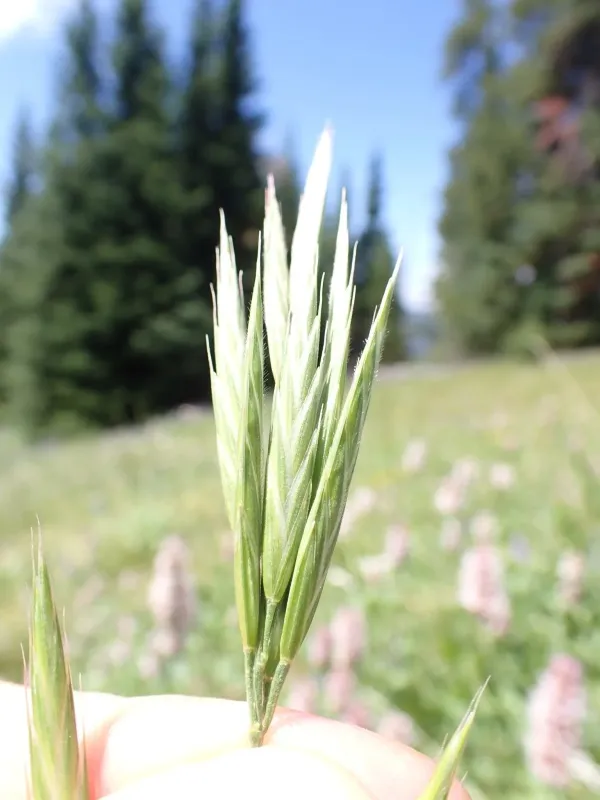
Description
Sowing dates
Mountain brome (Bromus marginatus) is a perennial, short-lived bunchgrass widely utilized in agricultural and reclamation projects. The ideal sowing period is early spring, which allows the seedlings to establish a strong root system before the onset of summer heat and drought.
Seeds of this species exhibit vigorous germination, making them an excellent choice for rapid stabilization of soil. Depending on the intended use, sowing rates usually range from 12 to 18 kilograms per hectare, ensuring a dense stand that minimizes competition from undesirable weed species.
The placement depth for the seeds should be carefully controlled, ideally between 2 and 3 centimeters. Deeper sowing may prevent successful emergence, while shallow sowing on loose soil can lead to rapid desiccation of the seeds before they can take root in the soil profile.
Consistent moisture following the sowing process is crucial for optimal results. Rolling the field immediately after planting improves seed-to-soil contact, which significantly enhances the uniformity of germination and the overall establishment rate of the grass in the field.
Early-stage management is vital for the success of Mountain brome. Protecting the newly established seedlings from heavy grazing or intensive mechanical traffic during the first few months allows the plants to focus resources on crown development and root expansion.
Growing requirements
This grass species is native to mountainous regions and is highly adaptable to a variety of environmental conditions, including cool temperatures and moderate altitudes. It shows remarkable resilience to cold, making it a reliable option for higher-elevation farming sites.
Mountain brome thrives in well-drained, fertile soils ranging from loam to clay loam. While it shows some tolerance for periodic drought, it achieves its highest productivity when provided with consistent moisture throughout the active growing season.
Nutritional requirements are moderate, but the application of nitrogenous fertilizers can significantly boost biomass yield in intensively managed hay meadows. Ensuring adequate phosphorus levels is also important for promoting healthy root system development and overall plant vigor.
The plant requires good sunlight exposure to maximize photosynthetic efficiency and dry matter production. It is often successfully integrated into diverse planting mixtures, where it serves as a productive component for both pasture forage and as a cover for soil protection.
Its deep and extensive root system makes Mountain brome an excellent choice for erosion control. It effectively binds soil particles together, preventing runoff and stabilizing slopes, which is highly beneficial in agricultural areas with varied topography.
Yield
Mountain brome is highly regarded in the forage industry due to its palatability and nutritional profile. It is commonly used for both grazing cattle and for the production of high-quality hay, providing essential proteins and energy required for livestock maintenance.
The crop typically reaches its peak production capacity during the second year after planting. When managed effectively, it can produce multiple harvests per season, providing a steady supply of fodder throughout the late spring and summer months in suitable climates.
For seed production, farmers often set aside dedicated fields. The yield of viable seed is influenced by weather conditions during the flowering phase and the availability of sufficient water, with successful harvests providing a sustainable source for future replanting efforts.
In well-managed meadows, yields of green matter can range between 30 and 45 quintals per hectare. The ability of Mountain brome to recover quickly after defoliation makes it a durable and productive option for rotationally grazed pasture systems.
Integrating this grass with legumes, such as alfalfa, creates a synergistic effect that improves the overall protein content of the feed. This combination not only enhances the nutritional value for livestock but also improves soil fertility through nitrogen fixation.
Main diseases and pests
Like many cool-season grasses, Mountain brome can be susceptible to various fungal pathogens, including rust and smut. These diseases are more prevalent in years with higher humidity and prolonged damp conditions, which favor the spread of fungal spores.
Effective management begins with the use of certified, clean seeds and the application of appropriate fungicide treatments to prevent seed-borne infections. Crop rotation is an essential practice that disrupts the life cycle of soil-borne pathogens and minimizes damage.
Pests such as grass bugs and various stem-boring insects may cause localized damage to the crop. Monitoring the field for signs of infestation and applying selective insecticides when thresholds are exceeded helps preserve the health and productivity of the stand.
Poor drainage and persistent standing water can increase the risk of root rot, which severely weakens the plant. Maintaining adequate field drainage is a critical component of a comprehensive disease management strategy for this grass species.
Regular field inspections and timely implementation of control measures allow producers to maintain high stands without excessive reliance on chemicals. A vigorous, well-fertilized stand is naturally more resistant to the stressors posed by various biological threats.
Harvesting
Harvesting for hay should be timed carefully, ideally when the grass is in the early heading to early flowering stage. This timing ensures the best balance between high protein content and the total yield of dry matter, providing the most nutritious feed for livestock.
Mowing and swathing should be followed by a drying period that allows for moisture reduction to acceptable levels for storage. Mechanical conditioning during mowing helps to crush the stems, speeding up the drying process and minimizing the risk of mold during storage.
When harvesting for seed, timing is critical to prevent shattering and loss. The crop is typically harvested when the seed heads turn from green to a straw-yellow color, and the moisture level has decreased enough to facilitate efficient threshing by standard harvesting equipment.
Post-harvest processing involves cleaning the seed to remove chaff, dust, and other debris using specialized seed-cleaning machinery. This step is essential to ensure high purity and quality for marketing or future sowing requirements.
Proper storage is essential to maintain seed viability and the quality of hay. Keeping both seeds and hay in cool, dry, and well-ventilated areas protects the material from moisture accumulation, heat damage, and the growth of fungi, ensuring the highest utility of the harvest.