
Soft brome
Bromus hordeaceus L.
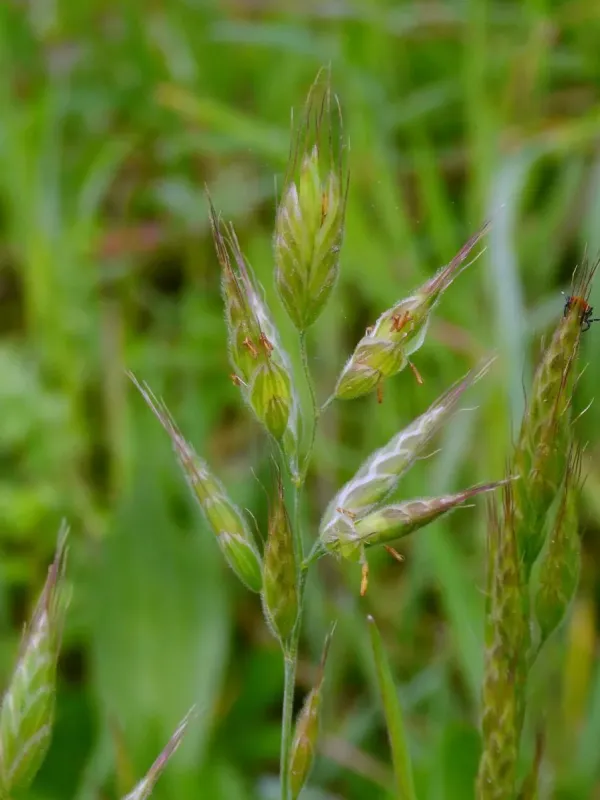
Description
Sowing dates
Soft brome is an annual grass, and its sowing time is dictated by the cultivation system. For winter crops, seeding should occur in late August or September, allowing plants to establish a strong root system before the onset of winter dormancy.
Spring sowing is best performed as soon as the soil is dry enough to work. Early planting encourages robust tillering and biomass production, which is essential for maximizing yield before the onset of extreme summer temperatures.
The recommended seeding rate ranges from 15 to 25 kg per hectare, depending on the desired sward density. A row-seeding method with 15 cm spacing between rows is preferred to ensure uniform plant distribution and nutrient access.
Seed depth should be kept shallow, between 2 and 3 cm. On lighter soils, slightly deeper planting is acceptable, but on heavier clay soils, shallow placement is vital to ensure that seedlings have enough energy to emerge successfully.
Post-seeding rolling is a critical practice for success. By firming the soil around the seeds, rollers improve capillary moisture uptake and significantly accelerate germination rates, especially during drier spring weather conditions.
Growing requirements
Soft brome belongs to the Poaceae family and is recognized for its remarkable environmental plasticity. It thrives in temperate climates and is well-adapted to a wide variety of soil types, ranging from sandy loams to heavier clay-based substrates.
While the plant is quite hardy, it performs best in well-drained soils. Waterlogging can severely inhibit root development and overall productivity, making proper site selection a key priority for successful agricultural production.
This grass is known for its cold tolerance, allowing it to overwinter successfully in various regions, provided there is adequate snow cover. It rapidly resumes growth in early spring, capitalizing on available soil moisture to develop its vegetative biomass.
Fertility management is crucial for high yields. Providing a balanced application of phosphorus and potassium during soil preparation, followed by a nitrogen boost at the start of the stem elongation phase, can drastically improve forage quality.
Soft brome competes effectively against weeds due to its rapid early growth cycle. This ability to form a dense canopy early in the season reduces the need for expensive herbicide interventions and keeps maintenance costs manageable.
Yield
The biomass yield of soft brome can reach up to 5 tons of dry matter per hectare under optimal conditions. Yield is highly dependent on nitrogen availability and the total amount of precipitation received during the primary growth period.
Seed production yields generally fall between 0.5 and 0.8 tons per hectare. Successful seed harvesting requires careful monitoring of the crop to ensure the grain reaches the ideal level of maturity without shattering in the field.
The crop's re-growth capability makes it an excellent choice for rotational grazing. It provides high-quality pasture during periods when other grass species may enter dormancy, ensuring a continuous supply of fodder for livestock.
Forage quality is a standout feature of this species. Its nutrient-dense profile makes it an excellent addition to livestock diets, supporting healthy weight gain and milk production in ruminants throughout the feeding cycle.
Irrigation significantly stabilizes production in regions prone to seasonal droughts. Farmers who invest in irrigation infrastructure often see yield increases of 30% or more, resulting in a consistent and high-quality product every year.
Main diseases and pests
The most common biological threats to soft brome are fungal diseases, with rust being the primary concern. Rust infections can manifest as pustules on the leaves, severely reducing the plant's photosynthetic efficiency and overall forage value.
Powdery mildew can also affect stands, particularly in humid and stagnant conditions where air circulation is limited. Monitoring and timely fungicide application are recommended to prevent significant spread within the crop.
Cereal flies represent a major threat to seedlings, as they attack developing stems during the early growth stages. Practicing strict crop rotation is the most effective preventative measure to minimize the risk of fly infestations.
Aphids and various bug species can weaken the plant by feeding on sap, which not only stunts growth but can also act as a vector for various viral infections. Regular field scouting is necessary to identify these pests early.
Prevention through sound agricultural practices is key. Keeping the stand clean, maintaining proper soil fertility, and avoiding monocropping helps ensure that the grass remains resilient against common biotic stressors throughout the season.
Harvesting
Harvesting for hay should occur at the booting stage, just before the plants reach full flowering. This timing ensures the best balance between biomass quantity and the nutritional quality, keeping the fiber content manageable for livestock.
For seed production, harvesting is conducted during the wax-ripe stage. It is imperative to perform this work under dry conditions to prevent grain loss from shattering and to ensure the seed is easy to thresh and clean.
Modern harvesting machinery, such as combine harvesters, can be used for direct harvest. However, careful calibration of the cylinder speed and air settings is required to avoid damaging the delicate seeds of this grass species.
Post-harvest storage must focus on keeping moisture levels below 14%. Proper drying of both hay and seeds is essential to prevent mold growth, spontaneous combustion in hay bales, and the loss of seed viability.
Well-cured soft brome hay maintains a vibrant green color and a pleasant aroma. When stored in a cool, dry place, the hay retains high levels of vitamins and carotenes, providing excellent winter nutrition for your livestock.