
Upright brome
Bromus erectus Huds.
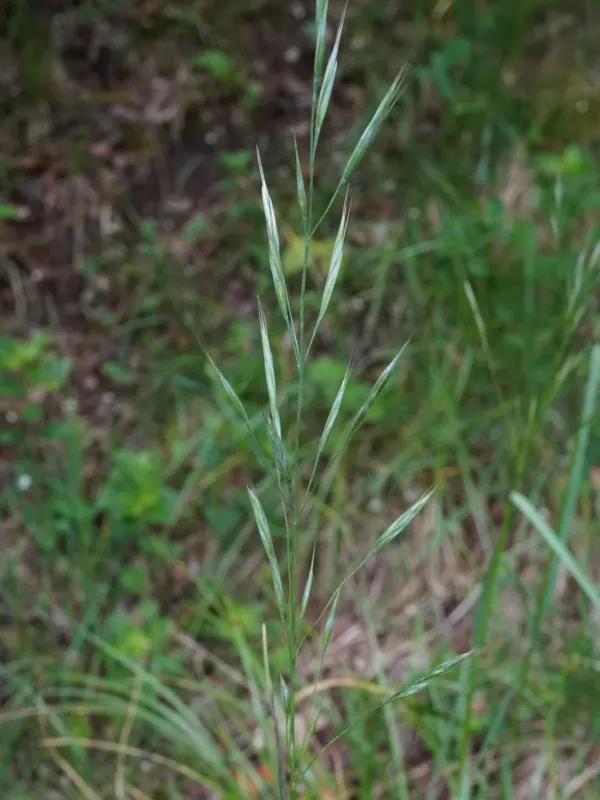
Description
Sowing dates
Upright brome is typically sown in the spring, once soil temperatures reach 8–10 degrees Celsius. In regions with milder climates, late-autumn sowing is also feasible, allowing seeds to undergo natural stratification during the winter.
The seeding rate is usually between 12 and 15 kilograms per hectare when using row sowing methods. Seeds should be planted at a depth of 1 to 2 centimeters depending on soil type and moisture level.
A well-prepared, firm seedbed is essential for successful establishment. Rolling the soil before and after sowing helps ensure uniform germination and good seed-to-soil contact.
During the establishment year, the plant develops relatively slowly, so weed management is crucial. Light harrowing can be performed to improve soil aeration and inhibit competing weed species.
When used in seed mixtures, upright brome should comprise approximately 30–40 percent of the total composition to ensure a balanced and productive grassland stand.
Growing requirements
Upright brome, scientifically known as Bromus erectus, is a perennial grass from the Poaceae family. It is highly valued for its ability to thrive in calcareous or alkaline soil conditions.
The crop is noted for its exceptional drought tolerance, making it an excellent choice for sloping terrain and well-drained soils. Its deep, robust root system allows it to survive prolonged dry spells.
It prefers sunny, open environments and does not tolerate shade well. The plant displays high winter hardiness, allowing it to remain productive even in regions with significant temperature fluctuations.
While tolerant of low-fertility soils, upright brome responds well to nitrogen and phosphorus fertilization. It performs poorly in acidic or waterlogged soils, which can severely hinder its growth and longevity.
Loamy soils with excellent aeration provide the best conditions for this grass. Its ability to adapt to diverse soil conditions makes it a versatile component of perennial meadow systems.
Yield
The yield of upright brome depends heavily on management intensity and environmental conditions. Average green mass yields typically range from 15 to 25 tonnes per hectare depending on rainfall.
Peak productivity is generally achieved during the second, third, and fourth years after establishment. Regular maintenance and proper fertilization help sustain yields over extended periods.
In grazing systems, upright brome shows good recovery after being grazed by livestock. This allows for multiple grazing cycles per season, provided the plants are given adequate recovery time.
The nutritional profile of this forage is characterized by good protein and fiber levels, making it a valuable feed source for sheep and cattle. It is particularly valued for its digestibility.
Implementing a rotational grazing or mowing system significantly extends the stand's lifespan, which can last for many years under optimal management practices.
Main diseases and pests
Common fungal diseases, such as rust and powdery mildew, may affect upright brome during periods of high humidity. These infections can reduce overall forage quality and biomass production.
Pests such as cereal flies and aphids can damage vegetative growth, particularly during the reproductive stage. These infestations are most problematic in densely populated stands.
Proactive management, such as timely harvesting, can help break the lifecycle of many pests and diseases. Avoiding overgrazing is also critical to maintaining plant health and vigor.
Root rot can occur in soils with poor drainage, leading to stand thinning. Proper site selection and drainage management are essential strategies to prevent this issue.
Biological and mechanical control methods should be prioritized to maintain the quality of the forage. Chemical intervention is only recommended if pest pressure threatens the entire crop yield.
Harvesting
The optimal time to harvest upright brome for hay is during the heading phase. Harvesting at this stage ensures the best balance between dry matter quantity and nutritional quality.
Using mowers equipped with conditioners can accelerate the drying process. This practice preserves more nutrients and vitamins, which are often lost during slow drying cycles.
For seed production, direct combining or windrow harvesting methods are used. Care must be taken to prevent seed shattering, as the crop is prone to dropping seeds if over-matured.
Storing hay in a dry, ventilated environment is crucial to prevent mold growth. High-quality storage practices help maintain the nutritional value of the hay throughout the winter.
Proper harvest planning is essential for maximizing the value of upright brome. Efficient operations ensure a consistent supply of quality forage for livestock throughout the year.