
Sterile oat
Avena sterilis L.
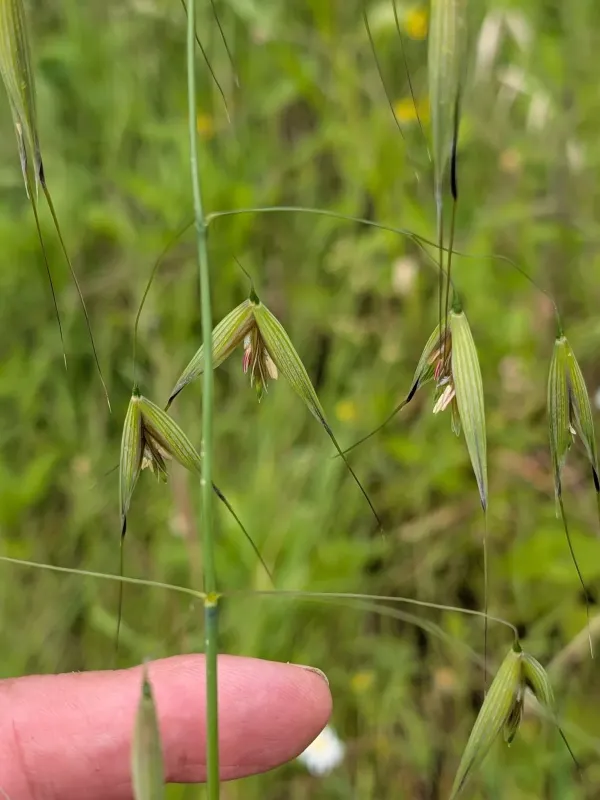
Description
Sowing dates
Sterile oat is primarily a wild species, and its germination patterns are closely linked to regional climate cycles. In the Mediterranean and Middle Eastern regions, mass germination typically occurs during the autumn-winter season, allowing the plant to utilize winter moisture.
The seeds exhibit a significant state of dormancy regulated by temperature and light levels. Germination generally begins when soil temperatures reach an optimal range between +5°C and +15°C.
In field conditions, sterile oat grows faster than many cultivated cereals, creating intense competition for resources from the very beginning of the season. When sown, seeds are typically placed at a depth of 3–5 cm to ensure proper contact with damp soil.
A key biological trait of this species is its staggered germination period. Seeds can remain viable in the soil seed bank for several years, which makes control efforts highly challenging for farmers.
Seedlings undergo a tillering phase in the autumn, which allows them to successfully overwinter in milder climates. Vigorous stem elongation begins in the spring, culminating in heading and seed maturation by mid-summer.
Growing requirements
Belonging to the Poaceae family, sterile oat is a competitive component in agro-ecosystems. Its range spans the Mediterranean, Central Asia, and parts of Africa, where it has adapted to arid environments and varied soil types.
Sterile oat prefers fertile, well-drained soils but shows high plasticity, growing effectively on depleted or saline substrates. It thrives in open areas and demonstrates resilience to moisture deficits during critical growth phases.
Moderate rainfall during the spring growth stage is ideal for its development. The plant is highly efficient in nutrient uptake, particularly nitrogen, which allows it to dominate other species in high-yield cropping systems.
The plant has a high requirement for direct sunlight. While shading from dense crop canopies can slow its early growth, sterile oat is usually taller and more aggressive in the initial development phases.
Stress resistance, including tolerance to brief waterlogging or cold snaps, is supported by high genetic diversity within populations. This allows the species to colonize new territories rapidly and adapt to changing agricultural conditions.
Yield
Commercial cultivation of sterile oat is rare, as it is generally treated as a difficult-to-control weed. However, in extensive grazing systems, it can serve as a nutritious fodder resource for livestock.
The plant's biological yield potential is significant: a single plant can produce a large quantity of seeds with high germination energy. This contributes to its status as a problematic contaminant in agricultural fields.
In terms of nutritional value, the grain is comparable to other cultivated cereals, making it a potential component for animal feed once processed. Removing the awns is essential to prevent injury to the digestive tracts of livestock.
Green biomass yield varies based on seasonal rainfall. During favorable years, the plant produces substantial vegetative growth, which is highly palatable for grazing animals.
A major scientific use of this species is in breeding programs. Researchers utilize sterile oat as a gene source for drought tolerance and disease resistance, incorporating these traits into modern cultivars of common oat (Avena sativa).
Main diseases and pests
Sterile oat serves as a natural reservoir for many cereal pathogens, posing a constant threat to nearby wheat or barley fields. It is a known host for various rust fungi that can spread rapidly under favorable weather conditions.
The species is also susceptible to smut diseases. Pathogens can survive in both the soil and the seed, necessitating strict crop rotation and effective chemical protection measures to manage the infection.
Common pests include cereal flies and aphids, which colonize the plants during the tillering phase. Heavy infestations can lead to stem deformation and significantly reduce the overall health of the population.
Pests often use sterile oat as a bridge host before moving onto primary agricultural crops. This adds pressure to plant protection systems and increases the complexity of field management.
- Cereal rust (Puccinia spp.)
- Smut fungi (Ustilago spp.)
- Cereal aphids
- Cereal leaf beetle
Harvesting
Harvesting sterile oat as a primary crop is not a standard agricultural practice. When harvested for fodder, the plants are typically cut during the milk-dough stage of grain development before seed shattering occurs.
Seed shattering is the primary obstacle to harvesting. The seeds possess specialized awns and hairs that facilitate self-burial in the soil, leading to significant yield losses if harvest is delayed.
Mechanical harvesting requires precise timing and specialized combine settings to minimize losses due to the lightweight nature of the grains. Specialized headers may be used to capture seeds prone to scattering.
Post-harvest processing involves cleaning the seeds to remove awns and other plant debris. The grain must be dried to a moisture content of no more than 14% to prevent fungal growth during storage.
Preventing seed contamination in the harvest of primary crops is critical, as the presence of sterile oat seeds reduces the commercial grade and varietal purity of the grain.