
Solidaster
Solidaster hybrida
Description
Sowing dates
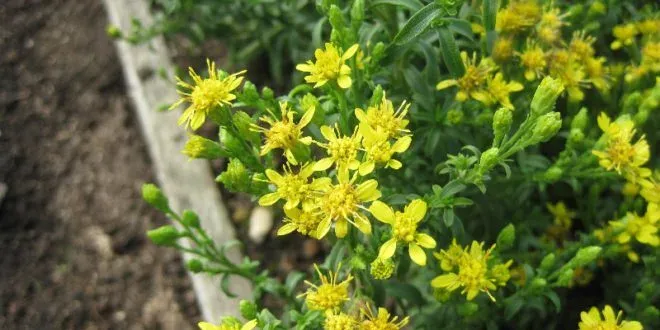
Solidaster, scientifically known as Solidaster hybrida, is a unique intergeneric hybrid between Goldenrod (Solidago) and Aster. As a member of the Asteraceae family, this perennial herb is highly valued in the floriculture industry for its elegant, dense sprays of small, bright yellow flowers.
Propagation is primarily achieved through vegetative methods such as division of the clumps or cuttings. Since it is a hybrid, growing from seed is unreliable, as the offspring rarely retain the superior traits of the parent plant, making vegetative propagation the industry standard.
The ideal time for planting is early spring or early autumn, allowing the root system to establish itself before extreme temperatures arrive. Plants should be spaced adequately to allow for healthy air circulation, which is crucial for preventing humidity-related diseases.
The soil should be well-drained and fertile to support the vigorous growth habit of this plant. Once established, the root system is quite hardy, though regular maintenance through dividing the clumps every three to four years is necessary to keep the stock productive and healthy.
Field preparation involves clearing the ground of perennial weeds and incorporating organic matter. Proper spacing, typically 6-8 plants per square meter, ensures that each plant receives sufficient resources to produce a high yield of quality flowering stems.
Growing requirements
Solidaster thrives in full sun, which is essential for maximizing flower production and maintaining the vibrant color of the inflorescences. While it can tolerate partial shade, the quantity of floral stems will decrease significantly in lower-light environments.
Soil requirements focus on good drainage, as the plant is susceptible to root rot if waterlogged. It performs best in a slightly acidic to neutral soil pH. If the native soil is heavy clay, amending it with sand or compost to improve drainage is highly recommended.
Consistent moisture is required during the active growth phase, particularly as the floral stalks begin to elongate. However, once established, the plant shows some tolerance to short-term dry spells, although prolonged drought will affect the quality of the cut flower stems.
Balanced fertilization is beneficial, with an emphasis on nitrogen in early spring to encourage foliage growth, followed by potassium-rich fertilizers as the flowering season approaches to enhance the quality and vase life of the stems.
The plant is known for its cold hardiness in temperate regions. In areas with severe, frost-prone winters, applying a layer of mulch around the base of the plant can help protect the roots from extreme temperature fluctuations and ensure strong regrowth in the spring.
Yield
Solidaster is primarily used as a filler flower in floral arrangements, highly favored for its airy texture and long vase life. A well-managed plantation can provide a consistent supply of cut stems for commercial flower markets throughout the summer and early autumn.
Yield is measured by the number of high-quality stems per plant. With optimal care, including regular pruning and fertilization, a single mature plant can produce a significant volume of harvestable material, making it an efficient crop for flower farms.
Grading standards for commercial sale typically include stem length, straightness, and the percentage of open flowers on the spray. Meeting these standards requires careful post-harvest handling to ensure the product remains competitive in the floral industry.
Techniques such as pinching back early growth can lead to increased branching, which boosts the total number of floral stems per plant. This practice is standard among professional growers to maximize the profitability of each square meter of cultivation space.
The economic value of Solidaster is bolstered by its ability to act as a bridge between seasonal floral varieties. By adjusting planting dates and using greenhouse technology, producers can extend the harvest window and capture better market prices.
Main diseases and pests
Fungal diseases like powdery mildew and rust are the most common challenges for Solidaster, particularly in areas with poor airflow and high humidity. Proactive management and maintaining plant spacing are essential for prevention.
If disease symptoms appear, targeted fungicidal treatments should be applied according to local regulations. Integrated pest management, including regular crop monitoring, helps to keep these issues at a manageable level without excessive chemical use.
Aphids and spider mites are frequent pests, especially during dry and warm periods. These insects feed on the sap of young stems and leaves, which can lead to stunted growth and discolored foliage, significantly reducing the market value of the crop.
Biological controls, such as beneficial predatory insects, are increasingly popular in greenhouse environments to mitigate pest pressure. Regular inspection and early intervention are key to avoiding significant crop loss during the peak growing season.
- Maintain good hygiene by removing crop debris at the end of the season.
- Sanitize pruning tools to prevent the spread of pathogens.
- Ensure adequate ventilation in all growing areas.
Harvesting
Harvesting should occur in the early morning to ensure maximum stem hydration. Stems are cut using sharp, clean tools when approximately 50-70% of the flowers on the spray are open, ensuring the best balance between aesthetics and vase life.
Once cut, stems should be immediately placed in clean water to prevent air bubbles from entering the vascular system. Using a hydration solution can significantly improve the longevity of the flowers during transportation and display.
Proper storage temperatures are critical; keeping the harvested stems in a cool environment (around 2-4 degrees Celsius) helps slow down respiration and senescence, preserving the freshness of the cut flowers until they reach the final consumer.
The sorting and bundling process should be handled with care to avoid damaging the delicate sprays. Grouping the product by stem length and floral density allows for more efficient packaging and higher-quality presentations for the floral market.
After the harvest season, the remaining foliage should be cleared away once it begins to yellow. This helps maintain a clean growing environment and reduces the risk of overwintering pathogens that could negatively impact the following year’s crop.