
Xeronema
Xeronema
Xeronema is a distinct genus of perennial herbaceous plants belonging to the Xeronemataceae family. Native primarily to the islands of New Zealand and New Caledonia, these plants are known for their striking architectural form.
What the section contains

Xeronema
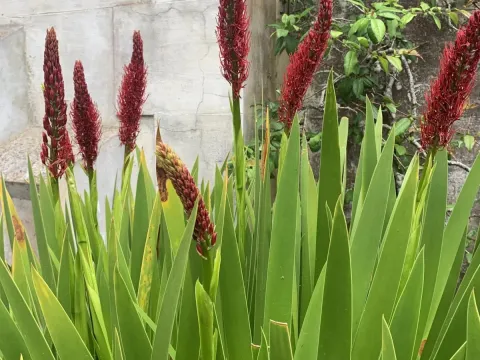
Botanically, Xeronema is characterized by stiff, sword-shaped leaves arranged in a fan-like rosette. Its most recognizable feature is the iconic inflorescence, which curves upwards like a bottlebrush, creating a visually dramatic effect during the flowering season.
Successful cultivation of this species requires a climate that mimics its native subtropical habitat. It is highly sensitive to cold temperatures, making greenhouse or indoor cultivation essential for regions outside of mild coastal climates.
The soil requirements for Xeronema are quite specific: it demands a fast-draining, aerated substrate, often incorporating coarse sand or grit. Water stagnation is the primary cause of failure in cultivation, as it quickly damages the root system.
In terms of agricultural and horticultural use, Xeronema is strictly an ornamental crop. It is highly valued by collectors and specialized botanical gardens for its rarity, unique aesthetic appeal, and long-lasting floral displays.
The primary threats to Xeronema involve fungal pathogens that emerge from waterlogged conditions. Root and crown rot represent the most significant risks, often occurring when the plant is kept in poor-draining soil or in high-humidity areas with insufficient airflow.
Common pests include spider mites and mealybugs, which thrive in the sheltered, dry conditions of indoor or greenhouse environments. These pests can rapidly infest the foliage, causing stunted growth and leaf discoloration.
Proactive management of these threats involves strictly regulating the moisture levels within the growing substrate. Ensuring that the crown of the plant stays dry while watering is essential to prevent decay of the developing leaves.
When chemical intervention is required, systemic fungicides or insecticides should be applied with caution, ensuring that concentrations are suited for sensitive ornamental species. Biopesticides can also be effective alternatives for minor infestations.
Maintaining high standards of plant hygiene is crucial for preventing the spread of diseases. Regular monitoring and the immediate isolation of symptomatic plants are standard practices to ensure the long-term health of Xeronema collections.