
Yua thomsonii
Yua thomsonii
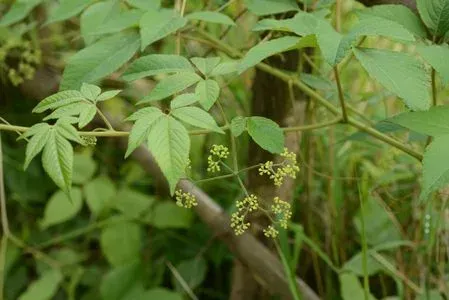
Description
Growing requirements
Yua thomsonii is a perennial woody vine belonging to the Vitaceae family, native to the diverse regions of Southeast Asia. It is naturally adapted to moist forest environments, where it climbs utilizing trees and rocky substrates for structural support.
The plant is defined by its complex foliage and rapid vegetative growth, making it a sought-after species for collectors and landscape architects looking for unique climbing plants to enhance garden aesthetics.
Successful cultivation requires fertile, well-draining soil with a pH level that leans towards neutral or slightly acidic. Proper soil moisture is critical, as the species does not tolerate extreme dryness in the root zone during the active growing season.
Regarding climatic conditions, Yua thomsonii thrives in sheltered environments with diffused light. It is sensitive to excessive direct sunlight, which can scorch its leaves, and it lacks high cold tolerance, requiring protection during severe winter months.
The agricultural practice for this vine includes regular irrigation and the provision of appropriate trellis systems. Without structural support, the plant will trail along the ground, which may lead to reduced growth vigor and poor leaf coloration.
Harvesting
The primary use of Yua thomsonii is ornamental, serving as a vertical greening solution for facades, fences, and various garden structures. Its ability to create dense, lush foliage makes it an effective decorative tool.
Maintenance involves routine pruning to manage the spread of the vine and to encourage more lateral branching. Pruning is ideally performed during the dormant season to minimize sap loss and stress to the plant.
Fertilization regimes should prioritize balanced NPK compositions to support both leaf development and root system health throughout the spring and summer months.
Propagation is typically achieved through stem cuttings. Using rooting hormones and maintaining high humidity levels are standard practices to ensure the successful establishment of new specimens.
Vigilance against pests is necessary, as climbing plants in the Vitaceae family can occasionally be affected by mites or scale insects, necessitating early identification and appropriate horticultural intervention.