
Trochodendron
Trochodendron
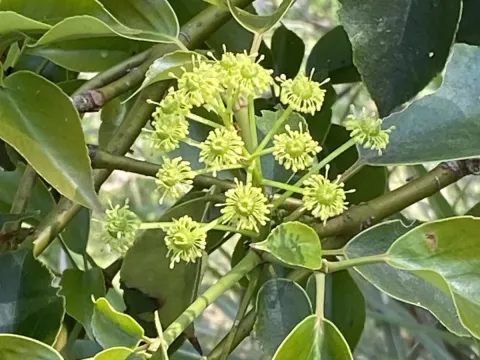
Trochodendron is a monotypic genus in the Trochodendraceae family, representing a unique relic species. It originates from the mountain forests of Japan, Korea, and Taiwan, which defines its preference for humid and sheltered environments.
What the section contains

Trochodendron
The plant requires fertile, well-drained soil with an acidic to neutral pH. It is highly susceptible to root rot if the soil remains waterlogged, so creating a robust drainage layer is essential for successful cultivation in garden settings.
Climate adaptation is a key factor, as the species favors mild conditions with consistent atmospheric humidity. Full sun can scorch the foliage; therefore, planting in partial shade or in areas with filtered light is highly recommended for optimal health.
Botanically, Trochodendron is remarkable because its wood lacks vessel elements, an evolutionary trait more commonly associated with gymnosperms. The leaves are arranged in whorls at the tips of the shoots, providing a distinct and architectural appearance.
Agricultural management involves routine watering during dry spells and applying organic mulch around the base. This practice helps conserve soil moisture and protects the shallow root system from extreme temperature fluctuations.
Trochodendron is generally resistant to pests and diseases, making it a low-maintenance choice for landscaping. Its natural resilience is a primary reason for its popularity among enthusiasts of rare botanical species.
The most common physiological issue is chlorosis, typically caused by improper soil pH levels preventing nutrient uptake. Regular soil testing and the application of acidic fertilizers are effective preventative measures for maintaining foliage color.
Pests such as aphids or scale insects may occasionally infest the plant, particularly in stressed specimens. Early detection through periodic monitoring allows for the localized use of biological control agents.
Winter damage from cold, drying winds can affect the evergreen leaves. Protecting young plants with horticultural fleece or burlap is advisable in regions where winter temperatures drop significantly below freezing.
By ensuring correct soil composition and site selection, growers can minimize the risk of pathogen attacks, keeping the plant healthy and vigorous throughout its long lifespan.