
Trochodendron aralioides
Trochodendron aralioides
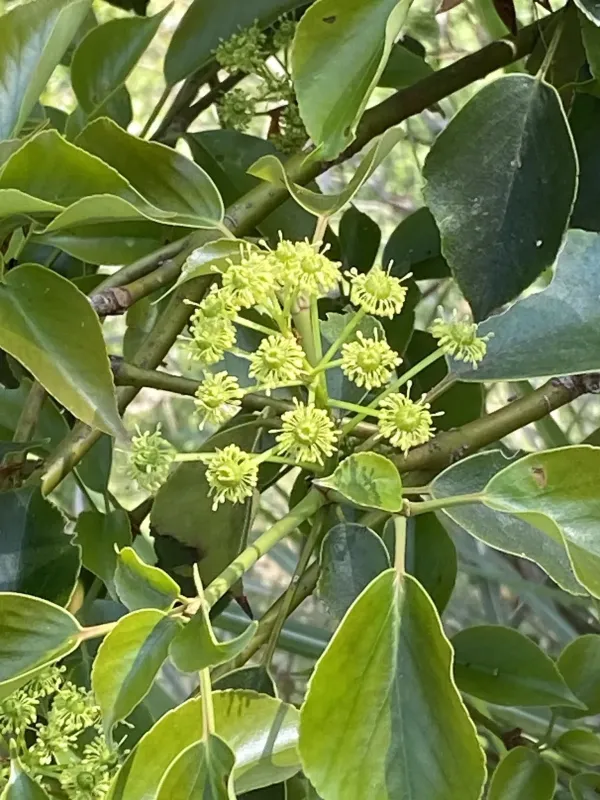
Description
Growing requirements
Trochodendron aralioides is the sole species in the family Trochodendraceae. It is a slow-growing evergreen shrub or small tree highly valued by collectors for its prehistoric botanical characteristics, such as vessels-less wood.
Native to Japan, South Korea, and Taiwan, this plant flourishes in moist, temperate mountain forests. It requires a stable, humid environment and protection from harsh weather conditions to thrive outside its native habitat.
The ideal soil for this species is deep, fertile, and well-drained with a slightly acidic pH. Incorporating organic matter, such as leaf mold, helps simulate its natural forest-floor environment.
Placement is crucial; Trochodendron aralioides performs best in partial to full shade. Direct, intense sunlight can scorch the foliage, while complete darkness may lead to leggy, unattractive growth patterns.
Maintenance involves providing consistent irrigation during dry spells. Mulching the base of the plant with pine needles or bark helps retain soil moisture and buffers against temperature extremes.
Main diseases and pests
The primary environmental threat is severe winter cold combined with drying winds, which can lead to significant foliage dieback in colder temperate climates.
Soil-borne pathogens, specifically Phytophthora or other fungi, pose a high risk in areas with poor drainage or stagnant water, leading to rapid root decay.
While generally resistant to severe pest infestations, the plant can occasionally be targeted by spider mites, particularly in environments with low humidity.
To ensure plant health, avoid mechanical injury during pruning, as open wounds can act as entry points for pathogens. Pruning should be restricted to removing dead or crossing branches.
Maintaining a balanced ecosystem around the plant, including adequate airflow and avoiding excessive nitrogen fertilization, helps keep the shrub resilient against various stressors.