
Triuris
Triuris
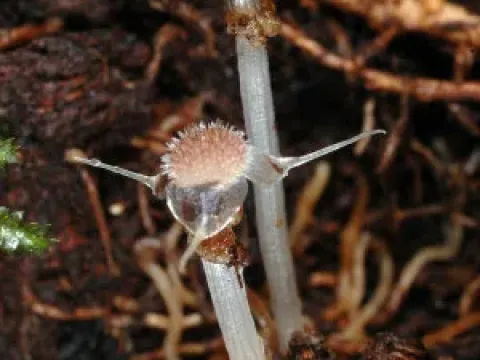
Triuris is a genus of tropical mycoheterotrophic plants belonging to the family Triuridaceae. These plants are devoid of chlorophyll and rely entirely on symbiotic fungi to obtain nutrients, which characterizes them as highly specialized organisms.
What the section contains

Triuris
These plants are not recognized as agricultural crops and possess no commercial or farming utility. They are found exclusively in primary moist tropical forests, where soil conditions are characterized by rich organic matter and specific fungal mycelium networks.
The development of Triuris species is strictly dependent on the presence of appropriate mycorrhiza in the soil. Because they do not perform photosynthesis, they do not require sunlight, but they are extremely sensitive to fluctuations in moisture and temperature within the forest litter layer.
The substrate required for these plants must remain stable and rich in organic decomposition products to support the necessary fungal networks. Any disturbance to the soil microbiome or environmental degradation leads to the rapid loss of these plant populations.
There are no agricultural practices or cultivation techniques developed for this genus. Triuris remains a subject of purely scientific interest within the study of tropical biodiversity, serving as an indicator of healthy and undisturbed ecosystem functioning.