
Thurnia
Thurnia
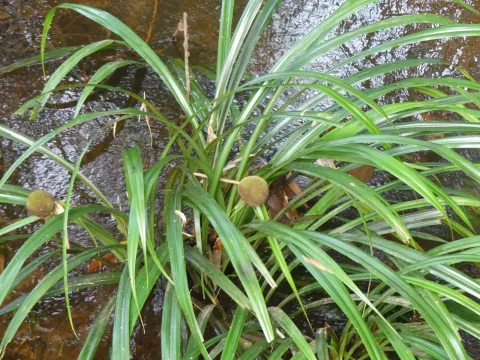
Thurnia is a genus of monocotyledonous plants belonging to the Thurniaceae family. These plants are native to the tropical regions of South America, typically found in humid environments such as marshes, riverbanks, and wetlands where water saturation is consistent.
What the section contains

Thurnia
From a botanical perspective, Thurnia species are classified as hygrophytes. Their morphology is highly adapted to water-logged soil conditions, featuring stiff, linear, or ensiform leaves that grow in a rosette pattern. This structure provides stability in regions prone to flooding.
The root system of the genus is well-developed to anchor the plant in loose, organic-rich soil found in tropical floodplains. The leaves possess unique venation that allows the plant to thrive under intense tropical sunlight while maintaining water balance despite the aquatic environment.
In terms of agricultural and horticultural use, Thurnia is primarily valued in specialized landscaping for water gardens and bio-filtration systems. Its ability to tolerate saturated soils makes it an ideal candidate for stabilization of wet soil banks in tropical greenhouse environments.
Cultivation requirements for this genus focus heavily on moisture control. The soil medium must be kept consistently wet and should be slightly acidic to mimic natural peat-rich habitats. Providing sufficient space for the root system is essential to ensure healthy growth and full foliage development.