
Thurnia sphaerocephala
Thurnia sphaerocephala
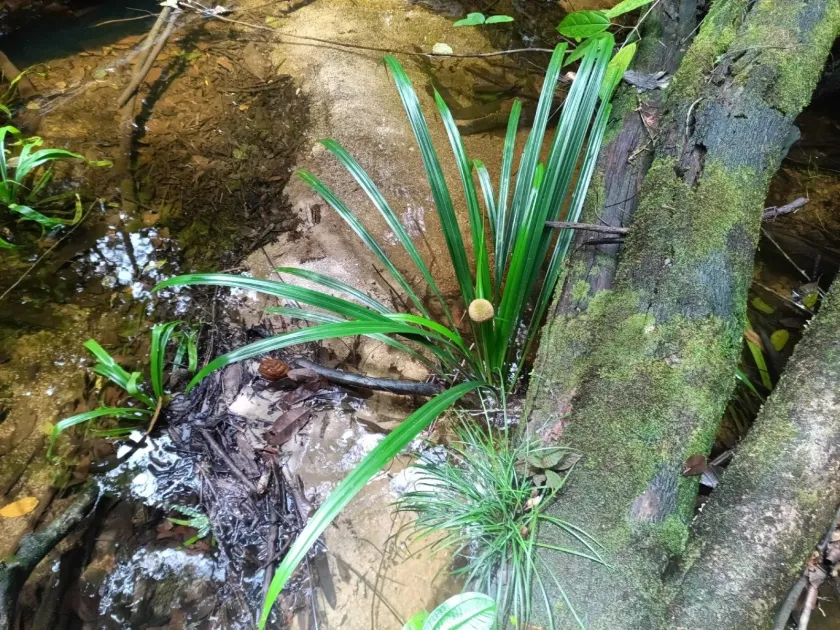
Description
Sowing dates
Thurnia sphaerocephala is an interesting botanical specimen belonging to the Thurniaceae family, primarily native to marshy tropical environments. Successful cultivation begins with understanding the specific germination requirements linked to high humidity and stable moisture levels.
Sowing should ideally occur in early spring to utilize the natural increase in day length, which serves as a stimulant for early development. The seed medium must be kept consistently moist to ensure the embryos do not dehydrate, which is a common failure point for this species.
Seeds should be surface-sown on a fine, acidic, and organic-rich peat substrate. Given their tropical origin, providing a consistent temperature between 22 and 26 degrees Celsius is necessary to break dormancy and initiate the growth cycle effectively.
Once the seedlings establish, they require a gradual transition to a slightly higher light environment while maintaining high ambient humidity. Young plants are sensitive to root disturbance, so careful handling during any required repotting is essential for survival.
Establishing a dense canopy early in the development phase helps in maintaining the microclimate required by the species. Regular misting and specialized greenhouse conditions are often necessary during the initial stages of the crop cycle to ensure high survival rates.
Growing requirements
Thurnia sphaerocephala demands specific environmental conditions that mirror its natural habitat in South American wetlands. It requires acidic, well-draining, yet perpetually moist soil to thrive and achieve optimal growth rates throughout the season.
Temperature management is crucial as the species is highly sensitive to cold drafts and significant temperature fluctuations. Maintaining a tropical environment with minimal variation is key to preventing physiological stress and promoting consistent foliage production.
Light levels should be managed to provide diffused, bright light rather than direct exposure. Implementing shading solutions in controlled environments is mandatory to prevent leaf scorch and maintain the deep green coloration of the foliage characteristic of the species.
Water quality is a major factor in the agronomy of this crop, as it is susceptible to mineral accumulation. Utilizing soft, filtered water is necessary to prevent the build-up of salts in the growing medium, which can lead to root damage and nutrient uptake inhibition.
Nutrition management should focus on balanced organic fertilizers applied at low concentrations. Because the plant grows in nutrient-poor environments naturally, over-fertilization can be detrimental to the plant's health and structural integrity.
Main diseases and pests
The primary threats to this crop include various soil-borne pathogens that thrive in consistently damp environments. Root rot is the most common disease encountered, typically triggered by poor drainage or excessive standing water around the root zone.
Spider mites are a significant pest concern, especially when humidity levels drop below the required threshold. These pests can rapidly infest the plant, causing widespread chlorosis and weakening the plant's overall vigor during the active growing season.
Mealybugs can also pose a persistent threat, often hiding in the leaf axils or near the base of the stem where inspection is more difficult. Early detection through regular monitoring and manual removal is the preferred management strategy to avoid chemical use.
Nutritional deficiencies often present as chlorotic symptoms, indicating an imbalance in pH or a lack of specific micronutrients. Regular soil testing and adjustment of the irrigation water pH are vital practices to ensure long-term plant health.
- Root rot caused by stagnant water.
- Spider mite infestations in low-humidity conditions.
- Mealybug outbreaks in leaf axils.
- Nutrient-related chlorosis and stress.