
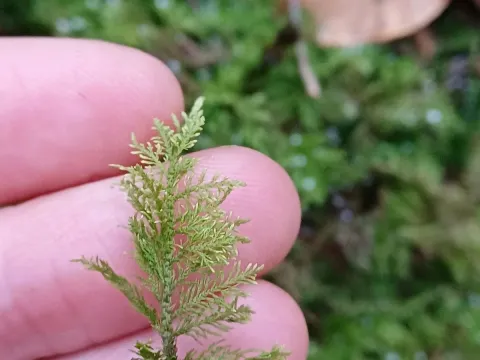
Thuidium
Thuidium
Thuidium is a genus of mosses belonging to the Thuidiaceae family. Known for its intricate, fern-like branching pattern, it is widely utilized in horticulture, particularly in terrariums, woodland gardens, and specialized landscape projects requiring soft, ground-covering vegetation.
What the section contains

Thuidium
Originating from moist forest habitats across the Northern Hemisphere, this moss thrives in shaded environments. It is characterized by its prostrate habit and complex, bipinnate or tripinnate branching structure, which allows it to form dense, resilient mats on forest floors.
Environmental requirements for Thuidium are strict regarding water availability and humidity. It prefers nutrient-rich, slightly acidic soil or organic substrates that retain moisture without becoming waterlogged. Drainage is essential to prevent root and stem rot.
The climate must be stable, with cool to moderate temperatures and minimal exposure to drying winds or direct sunlight. High ambient humidity is the most critical factor, as Thuidium lacks a cuticle to prevent water loss and will rapidly desiccate under dry conditions.
Agrotechnical management focuses on creating a stable microclimate. Irrigation should be performed using soft or distilled water to avoid mineral accumulation. Regular light misting helps maintain the hydration levels necessary for the moss to maintain its characteristic vibrant green color.
Pathogenic fungi are a significant threat to Thuidium colonies, especially in environments with poor air circulation. Overwatering or stagnant water creates ideal conditions for the development of mold, which can quickly overwhelm and destroy the moss structure.
Gastropods, such as slugs and snails, are the primary invertebrate pests. These organisms graze on the moss fronds, creating unsightly holes and disrupting the uniform appearance of the moss bed, which necessitates regular monitoring and manual removal.
Sensitivity to chemical fertilizers and soil salinity is high. The application of synthetic nutrients can cause rapid "burn" to the bryophyte tissue, making it vital to use only gentle, organic, or low-concentration nourishment if growth stimulation is required.
Competition from higher-order vascular plants poses a threat to the density of the colony. Invasive weeds can penetrate the moss cushion, disrupting its structural integrity and altering the local light and moisture balance in favor of the weeds.
Mechanical disturbance, including trampling or excessive physical contact, is detrimental. Thuidium has a relatively slow growth rate and limited regenerative capacity, making physical protection of the cultivated area necessary to ensure long-term survival and aesthetics.