
Abietinella moss
Abietinella abietina
Description
Growing requirements
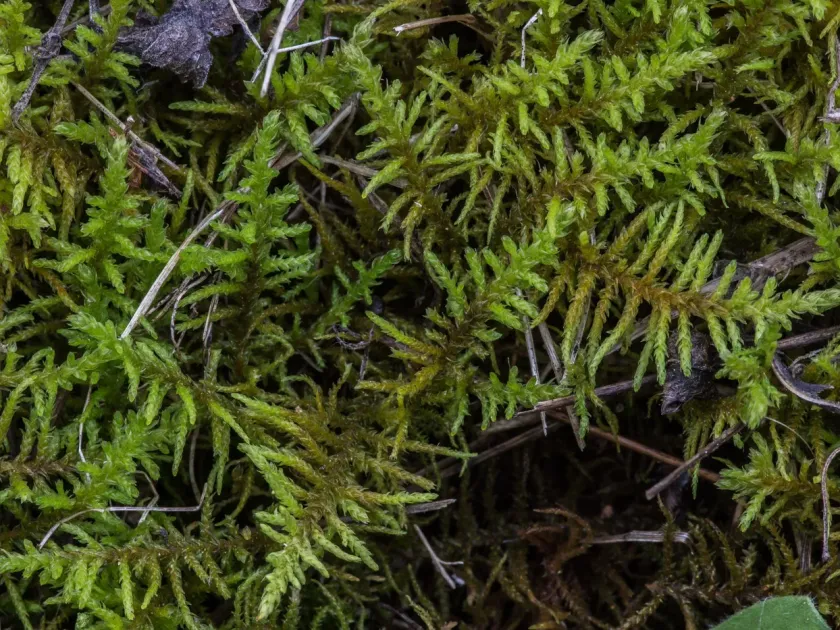
Abietinella abietina, commonly known as the fir-like moss, belongs to the Thuidiaceae family. It is distinguished by its unique pinnate branching, which mimics the structure of small conifer twigs.
This moss species is widely distributed across the Northern Hemisphere. It thrives in diverse environments, ranging from sandy dunes and open pine forests to nutrient-rich limestone outcrops and rock crevices.
The plant is biologically adapted to xerophytic conditions, exhibiting high tolerance to desiccation. Its dense growth pattern allows it to retain moisture and survive in habitats prone to periodic drought.
Abietinella abietina plays an essential role in soil stabilization. Its resilient mat-forming habit helps protect the substrate from erosion and facilitates the succession of other plant species in challenging environments.
While not a traditional agricultural crop, it is studied for its ecological significance. Successful growth depends on specific soil chemistry—specifically alkaline conditions—and adequate light levels, avoiding dense, competing vegetation.