
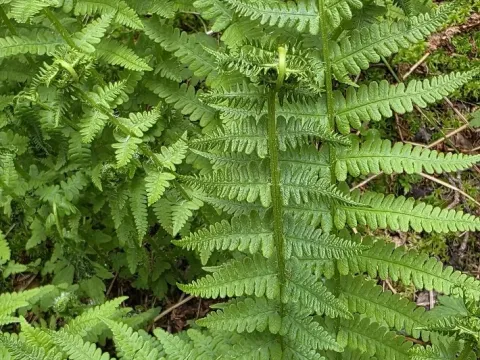
Mountain fern
Oreopteris
The mountain fern (genus Oreopteris, family Thelypteridaceae) is a perennial herbaceous plant well-known in temperate forest ecosystems. Its primary representative, Oreopteris limbosperma, is characterized by its pale green, pinnate fronds that release a distinctive lemony scent when crushed, thanks to glandular hairs located on the leaf undersides.
What the section contains

Mountain fern
As a forest-dwelling species, it thrives in environments that mimic its natural habitat. Key requirements include moist, well-drained, and slightly acidic soils enriched with organic matter. Waterlogged conditions can be detrimental, so proper drainage is essential for long-term health and growth vigor.
The culture prefers shady or semi-shaded locations. Exposure to direct afternoon sunlight should be avoided as it leads to leaf scorching and rapid transpiration, which the plant cannot compensate for. A canopy of trees or a north-facing position is ideal for maintaining the necessary microclimate.
Climate adaptability is one of the strengths of this fern. Being a native to mountain forests, it is highly resilient to low temperatures and winters well in dormant stages. It requires a cool growing season and benefits significantly from high atmospheric humidity during the spring and summer months.
Cultivation practices involve regular monitoring of soil moisture. During dry spells, supplemental irrigation is required to ensure the rhizomes do not dry out. Since the plant expands via rhizome growth, providing sufficient space allows for the formation of lush, aesthetically pleasing colonies in landscape applications.
The primary threats to mountain ferns include fungal pathogens triggered by poor air circulation. Overcrowding plants or planting in areas with stagnant air can lead to the development of rots. Maintaining appropriate spacing of at least 40 cm between specimens is a standard preventive agricultural practice.
Mollusks such as slugs and snails are the most common pests. They are particularly active during the emergence of young fronds in the spring. Implementing mechanical barriers or using organic mulch can effectively discourage these pests from reaching the tender foliage of the fern.
During prolonged dry periods, spider mites can become an issue, particularly if the plant is heat-stressed. The most effective way to combat this is through overhead misting, which cools the foliage and raises humidity levels, making the environment inhospitable for mites while promoting plant health.
Nutritional stress can make the plant more susceptible to diseases. Using well-rotted compost or leaf mold as a top dressing is the best approach to maintain soil fertility. Avoid synthetic fertilizers with high salt content, which can be toxic to the delicate root systems typical of mountain ferns.
Integrated pest management in fern cultivation relies heavily on sanitation. Regularly removing old, dead, or diseased fronds at the end of the season prevents the accumulation of spores and pathogens, ensuring that the new growth in the following spring is robust and free from previous infections.