
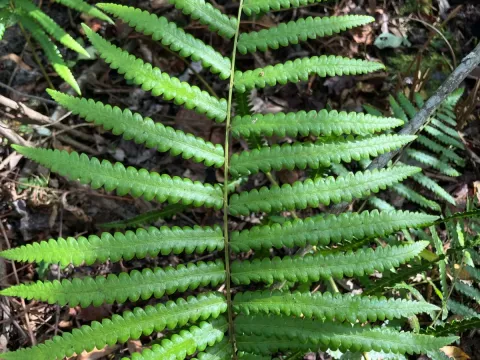
Cyclosorus
Cyclosorus
Cyclosorus belongs to the Thelypteridaceae family. This genus consists of perennial herbaceous ferns that are naturally distributed throughout the tropical and subtropical regions of Asia, Africa, and the Americas.
What the section contains

Cyclosorus
In cultivation, this plant is primarily valued as an ornamental foliage crop suitable for greenhouses, winter gardens, and indoor landscaping. It prefers diffused lighting, as direct sunlight can cause leaf scorch on the delicate fronds.
For optimal growth, Cyclosorus requires high atmospheric humidity and a consistently warm temperature regime. Ideal conditions for development are between +20 and +25 degrees Celsius, while it is crucial to avoid sudden temperature fluctuations and cold drafts.
The soil must be light, loose, and possess good water-holding capacity while ensuring effective drainage. Slightly acidic peat-based substrates supplemented with leaf mold, sand, and sphagnum moss are ideal to prevent waterlogging.
Systematic irrigation is a critical factor in the plant's agronomy. The potting soil should remain consistently moist, but excessive moisture and standing water in the drainage tray are detrimental to the root system, potentially leading to rot.
The main threats to Cyclosorus include fungal diseases resulting from improper humidity management. Specifically, root rot development is frequently linked to overwatering and inadequate aeration of the growing medium.
Pests such as scale insects and spider mites often infest the plant in the dry air of heated indoor environments. Regular misting and maintaining optimal humidity levels serve as the most effective preventative measures against infestations.
Mealybugs may occasionally settle on the fronds, feeding on plant sap and causing deformation and stunted growth. Treatment involves the use of insecticidal soap or specialized systemic insecticides to manage these colonies.
A vital aspect of crop protection is the timely removal of dead or damaged fronds. This not only maintains the aesthetic appearance of the plant but also prevents the accumulation of pathogens in the root zone.
Upon detecting the first signs of illness or pest damage, it is necessary to isolate the affected specimen from other plants. Regular inspections of the undersides of the fronds help in detecting pests at the early stages of infestation.