
Lemon-scented fern
Oreopteris limbosperma
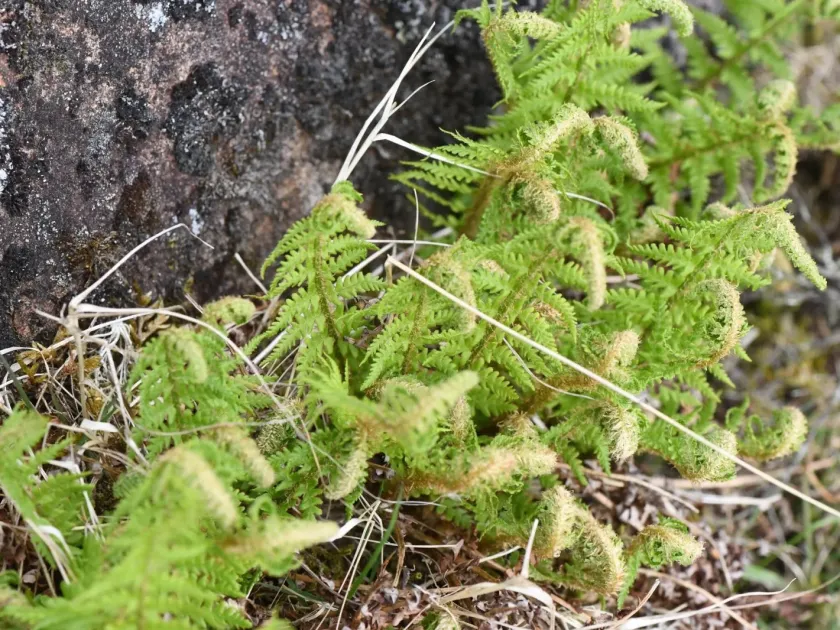
Description
Growing requirements
The Lemon-scented fern (Oreopteris limbosperma), a member of the Thelypteridaceae family, is a perennial plant primarily found in cool, moist forest environments and along mountain streams. Its common name is derived from the distinct lemony fragrance released when its fronds are crushed.
Botanically, the species is characterized by bright green, pinnately divided fronds that form dense, elegant rosettes. Its rhizome is relatively short and creeping, allowing the plant to establish stable, persistent colonies in suitable soil conditions over several years.
Successful cultivation requires highly organic, acidic to neutral soil that retains moisture effectively. Drainage is essential, as the roots thrive in damp conditions but will suffer damage if exposed to prolonged waterlogging.
The plant is classified as a shade-loving species. It is strictly recommended to plant it in positions where it receives filtered light or deep shade, as direct sunlight, especially in the afternoon, can cause rapid dehydration and scorched leaf tips.
In terms of practical usage, this fern is highly valued in horticulture for woodland gardens and shaded landscaping. It provides a lush texture and a pleasant olfactory experience, making it a favorite for shaded rock gardens and damp borders.
Main diseases and pests
The most significant threat to the Lemon-scented fern is the presence of slugs and snails, which can skeletonize the fronds during periods of high humidity and cool temperatures.
Fungal pathogens represent a primary concern when air circulation is poor or the soil is too wet, often leading to crown rot or wilting of the delicate foliage.
During extended heatwaves or dry spells, the fern becomes highly susceptible to spider mites, which feed on the sap and can lead to the discoloration and shedding of fronds.
Management of pests and diseases requires careful monitoring of the microclimate. Ensuring adequate air movement around the fronds and mulch layers helps prevent the buildup of stagnant humidity.
Organic pest control methods and appropriate watering strategies, which target the root zone while keeping foliage relatively dry, are considered the best practices for maintaining a healthy plantation.