
African cyclosorus
Cyclosorus afrus
Description
Growing requirements
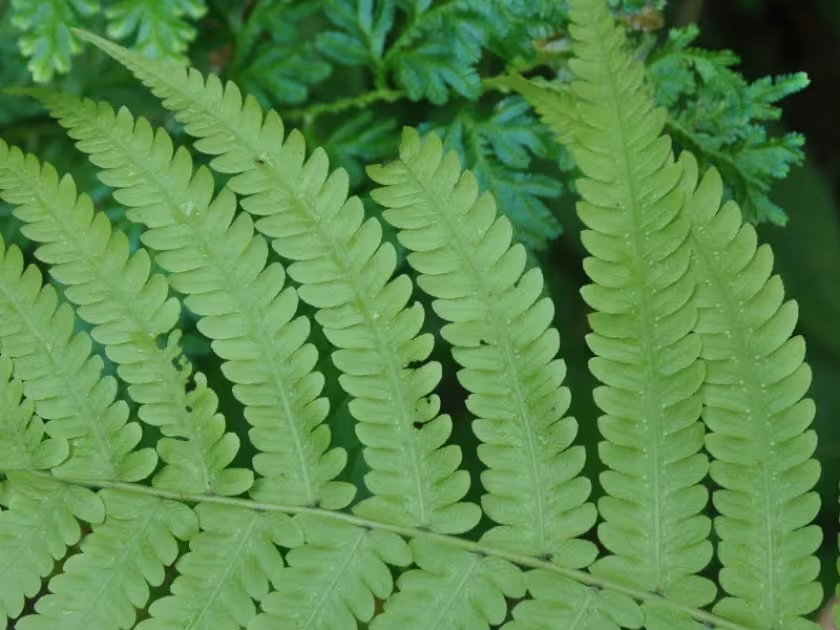
African cyclosorus (Cyclosorus afrus) is a fern belonging to the Thelypteridaceae family. This species originates from the African tropics, growing in moist environments that provide consistent shelter from harsh elements.
The plant requires high humidity levels to maintain its physiological functions. In cultivation, it thrives best in environments where ambient humidity is kept above 60 percent, preventing the desiccation of the fronds.
Soil requirements involve a rich, well-draining organic medium. A mixture of peat moss, pine bark, and perlite provides the necessary structure to ensure that water is retained without waterlogging the sensitive root system.
Light levels should be carefully managed, as this fern is adapted to understory conditions. Bright, indirect light is optimal, while direct sunlight will almost certainly cause chlorosis and leaf burn on the foliage.
Temperature stability is critical for the African cyclosorus. It prefers a range between 18°C and 24°C throughout the year, with minimal fluctuations, as extreme shifts can trigger stress-induced dormancy.
Main diseases and pests
Spider mites are the most common pests encountered in the cultivation of Cyclosorus afrus. These tiny arachnids thrive in dry conditions and can devastate the foliage if not treated with regular misting or acaricides.
Root rot is the primary physiological threat associated with improper irrigation practices. Overwatering creates anaerobic conditions in the root zone, which facilitates the growth of pythium and other soil-borne pathogens.
Scale insects can attach themselves to the stems and fronds, draining the plant's resources. Manual removal with a cotton swab dipped in alcohol is effective for small-scale infestations, while systemic treatments may be needed for larger plants.
Fungal leaf spots can occur when the foliage remains wet for prolonged periods without adequate air circulation. Improving airflow around the plant is the most effective preventative measure against such outbreaks.
Regular monitoring of the leaf undersides is essential for early detection of potential infestations. Keeping the plant vigorous through balanced fertilization also improves its natural resistance to environmental stressors.