
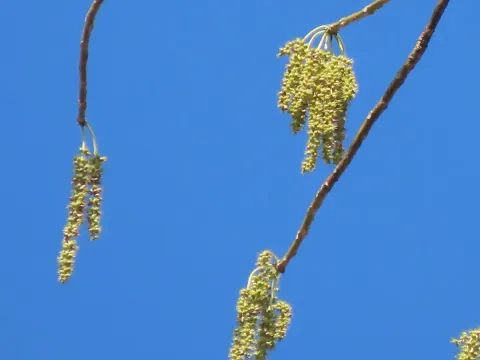
Tetrameles
Tetrameles
The propagation of Tetrameles (Tetrameles nudiflora) is primarily achieved through seeds, which are dispersed by wind in their natural habitat. In forestry nurseries, seeds are sown in containers with well-drained organic substrates immediately after collection to ensure viability.
What the section contains

Tetrameles
Sowing should ideally coincide with the onset of the rainy season to provide the necessary moisture for germination. No complex stratification is required, but consistent humidity levels are vital for successful establishment of the seedlings.
Seeds are sown superficially, covered only by a thin layer of soil. Once the seedlings reach a height of 30 to 50 centimeters, they are ready for transplanting into the field, provided that the soil is properly prepared.
When establishing a plantation, a spacing of at least 6 to 8 meters between trees is recommended. This allows for the development of their characteristic buttress roots and ensures sufficient space for the canopy to expand fully.
Early-stage development is rapid if irrigation is managed correctly. During the first two years, young trees require regular weeding to prevent competition for nutrients, which accelerates their transition to the rapid growth phase.
Tetrameles is a light-demanding species that thrives in open, sun-exposed areas. In a plantation setting, canopy management is essential to prevent shading, as reduced light levels significantly hinder the growth of young trees.
The species prefers fertile, moist, and deep soils, particularly alluvial soils found along riverbanks. Excellent drainage is crucial, as the species is highly susceptible to root rot if water stagnation occurs for prolonged periods.
The optimal temperature for growth ranges between 22 and 32 degrees Celsius. While the tree can withstand short dry spells, it prefers a consistent humid environment and will thrive in areas with high annual rainfall.
Protecting the soil with mulch is highly beneficial, as it helps retain moisture and enriches the soil with organic matter over time. Fertilization should be focused on organic amendments during the start of the vegetative cycle.
Field maintenance involves keeping the area free from aggressive weeds and climbers that might wrap around the trunk. A clean planting environment is the best protection for ensuring the longevity of the trees.
The primary economic value of Tetrameles lies in its timber, which is highly valued for its light weight and softness. The total yield is measured by the biomass produced per hectare over a 30 to 50-year rotation cycle.
Trees typically reach a size suitable for harvesting after several decades. A mature tree can attain a diameter of over one meter, providing a substantial amount of wood for industrial purposes such as plywood manufacturing.
The wood is also widely used for packaging materials, crates, and interior joinery due to its easy processing qualities. Efficient management of growth conditions is the key to achieving high-quality timber output.
Beyond wood production, the trees play a critical role in carbon sequestration and soil stabilization in tropical environments. Integrating Tetrameles into reforestation projects contributes to ecological sustainability.
Strategic thinning of the plantation at mid-cycle can increase the final wood quality by providing more room for the most vigorous trees to reach their maximum potential size and density.
The most significant threat to Tetrameles plantations is fungal infection, particularly those affecting the root system caused by poor drainage. Preventing waterlogging is the most important defense strategy for any grower.
Wood-boring insects can pose a threat by damaging the bark and internal tissues. Regular monitoring is necessary to detect early signs of infestation and to apply targeted control measures when required.
Young plants are often targeted by grazing animals, which can result in severe browsing damage. Installing protective fencing around young seedlings is a necessary investment for the first few years of growth.
Rust diseases on leaves are occasional issues, usually arising during periods of high humidity. While rarely fatal for mature trees, they can weaken younger individuals and should be monitored during the rainy season.
Maintaining a healthy, biologically active soil is the best prevention against most diseases. Avoiding excessive chemical fertilizer use and promoting balanced biodiversity within the plantation helps maintain natural resistance.