
Tetrameles nudiflora
Tetrameles nudiflora
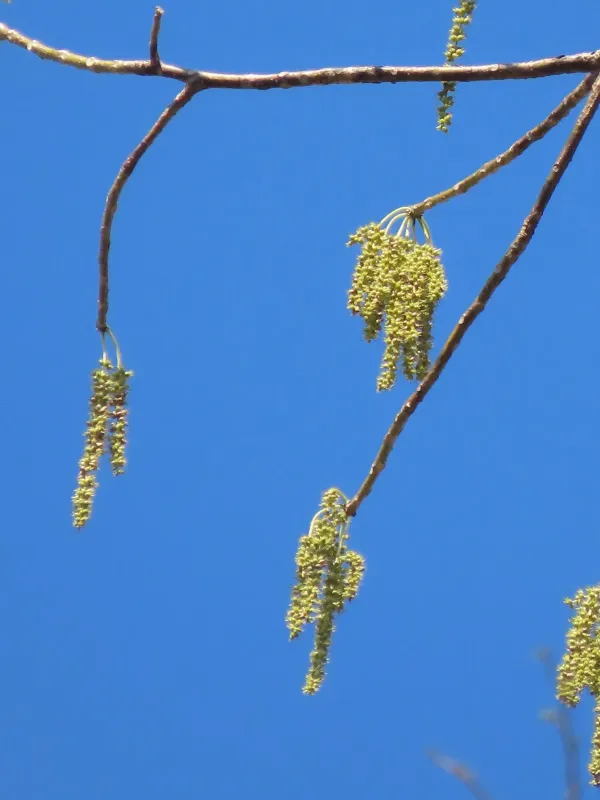
Description
Growing requirements
Tetrameles nudiflora is a unique tropical deciduous tree belonging to the Tetramelaceae family. It is recognized for its massive size, frequently growing up to 40–50 meters in height with a trunk diameter that can exceed two meters at maturity, often displaying large buttress roots.
The natural distribution of the species spans the moist tropical forests of Southeast Asia, including countries like India, Thailand, Sri Lanka, and Indonesia. The tree thrives in deep, fertile alluvial soils and requires well-drained terrain to support its extensive root system.
Climatic requirements are strictly limited to the tropical zone, characterized by consistent high temperatures and a distinct wet season. The species is highly sensitive to frost and cold snaps, which strictly confines its cultivation to tropical regions where temperatures remain stable throughout the year.
Agricultural practices for this crop focus on plantation forestry and ecological restoration. Propagation is primarily achieved through seeds, which must be sown shortly after collection due to their recalcitrant nature and short shelf life, requiring specialized nursery techniques for seedling establishment.
The tree is primarily harvested for its lightweight, soft wood, which is utilized in various industries including plywood manufacturing, matchstick production, and general light construction. Furthermore, it serves a critical role in preserving biodiversity within primary and secondary tropical forests.
Main diseases and pests
The main threats to the health of this culture include fungal infections that manifest in waterlogged soil conditions and infestations by wood-boring insects, which can significantly damage the timber quality and overall structural integrity of the tree.