
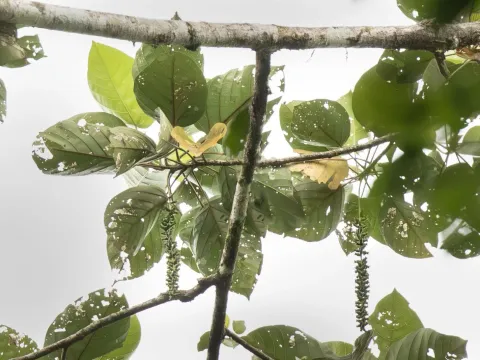
Octomeles
Octomeles
Octomeles is a genus of large, deciduous trees belonging to the Datiscaceae family. It is widely recognized in tropical forestry for its capacity to reach impressive heights, often exceeding 50 meters, with a trunk diameter that signifies a rapid accumulation of biomass.
What the section contains

Octomeles
Native to Southeast Asia, specifically regions spanning Indonesia, the Philippines, Papua New Guinea, and the Solomon Islands, this tree acts as a primary pioneer species. It colonizes open areas, riverbanks, and disturbed forest patches, capitalizing on abundant direct sunlight.
Cultivation requirements necessitate high light intensity, as the tree exhibits poor growth performance when shaded. Planters must ensure that the site selection provides full sun exposure to maintain the vigorous growth rate required for commercial timber production.
The soil preference centers on fertile, well-draining, and deep alluvial substrates. While Octomeles thrives in moisture-rich environments, it is susceptible to root decay if water stagnation occurs, necessitating careful site management and drainage assessment.
Environmental conditions must mimic tropical rainforest climates, characterized by stable, high temperatures and humidity levels. Frost and prolonged dry spells are detrimental to the development of the seedlings and can lead to significant plantation failure if not managed.
The economic value of Octomeles lies in its exceptional growth rate, which is among the fastest for tropical timber species. This allows for a shortened harvest cycle, providing quicker returns for sustainable forestry operations.
The harvested wood is versatile, typically utilized for manufacturing lightweight plywood, veneer, packing crates, and pulp for the paper industry. Its uniform texture and ease of processing make it a favored material for interior paneling and low-density structural components.
The most significant threats include fungal pathogens that exploit high-humidity environments, leading to leaf spot or root rot. Ensuring adequate air circulation between individual trees is a critical preventive measure in plantation design.
Pest management focuses on wood-boring insects, which target the softer inner bark or sapwood. Maintaining the overall vigor of the plantation through proper nutrition and space management is the best defense against major insect infestations.