
Octomeles sumatrana
Octomeles sumatrana
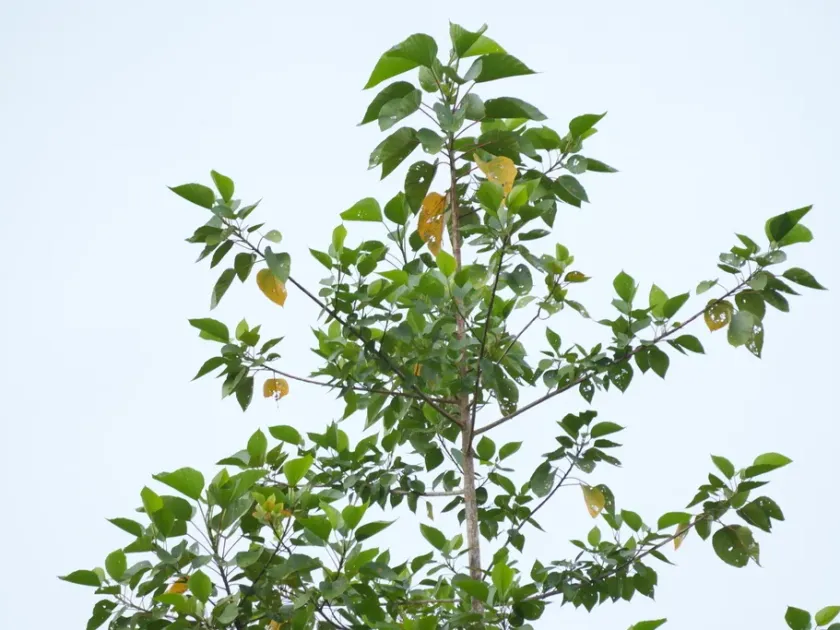
Description
Sowing dates
Octomeles sumatrana is a light-demanding pioneer species, which necessitates seedling preparation in nurseries with excellent sunlight exposure. Seed germination is generally rapid provided that substrate moisture levels are consistently maintained.
Seedlings should be transplanted to their permanent sites at the beginning of the rainy season to ensure optimal rooting conditions for the young trees. The recommended planting density varies according to the specific objectives, whether for reforestation or commercial timber production.
Soil preparation is a critical step, requiring well-drained yet moisture-retentive earth to support the rapid development of the root system. During the initial months after planting, diligent weed management is essential to prevent competition that could stifle growth.
Regular monitoring of seedling health is required over the first two years to ensure uniform stand development. Utilizing high-quality seeds sourced from healthy mother trees is fundamental to achieving high survival rates in plantation environments.
Cultivation technology also involves managing stand density, which helps prevent excessive plant competition and encourages the development of a straight, high-quality trunk. Proper planting techniques facilitate the rapid growth that this species is known for.
Growing requirements
Octomeles sumatrana is a large deciduous tree belonging to the Datiscaceae family, native to tropical regions of Southeast Asia. It thrives in alluvial soils along river valleys, where constant moisture availability is ensured.
This species is highly demanding regarding light levels and cannot tolerate shading during its juvenile stages, which is characteristic of pioneer forest species. Optimal conditions include high average temperatures and significant annual rainfall.
The tree can reach impressive dimensions, growing up to 40–50 meters in height with a trunk diameter of one meter or more. It develops a characteristic broad, spreading crown, which must be accounted for during plantation planning.
The tree grows successfully in nutrient-rich soils with a neutral or slightly acidic pH. A vital requirement is the absence of waterlogging, as the root system is sensitive to prolonged saturation if drainage is insufficient.
The climatic range of the species covers lowland areas where there are no extreme temperature fluctuations or frost. The crop demonstrates a high growth rate in its early years, making it a promising candidate for quick timber production.
Yield
The primary use of Octomeles sumatrana is its timber, which is valued for being lightweight, soft, and straight-grained. Thanks to its exceptionally fast growth rate, the tree produces significant volumes of biomass in a relatively short timeframe.
Commercial applications include the manufacture of plywood, lightweight construction materials, shipping crates, and various wood crafts. The timber is easy to work with, which expands its utility across the furniture industry.
Industrial rotation for this crop in forest plantations typically ranges from 15 to 25 years. During this period, the trees reach harvestable dimensions suitable for milling and processing into high-quality lumber.
Timber yield depends on the quality of management, planting density, and the agro-ecological conditions of the site. Intensive forest management practices can significantly increase the yield per hectare compared to natural forest stands.
Furthermore, the species is actively used in reforestation projects for disturbed land, contributing to rapid soil coverage. This provides not only a direct economic return from timber but also significant environmental benefits to the region.
Main diseases and pests
The main threat to these plantations comes from fungal infections that thrive in conditions of excessive humidity and poor air circulation within the canopy. Trunk and root decay can lead to stunted growth and loss of quality.
Among pests, stem borers and various defoliating insects pose a significant risk to young tree stands. Regular inspections of the plantation are crucial for the early detection of infestations and for implementing necessary control measures.
Poor silvicultural practices, such as excessive stand density, can promote the spread of diseases and make trees more vulnerable to environmental stressors. Maintaining adequate spacing between seedlings is the primary method of disease prevention.
In natural settings, the species may be susceptible to windthrow due to the shallow root systems found in some individuals. Selecting sites protected from prevailing strong winds helps to minimize the risk of mechanical damage.
Phytosanitary monitoring is an essential part of plantation maintenance, incorporating biological control methods and sanitation logging when necessary. Such practices are vital for sustaining the overall health and productivity of the stand.