
Cyanella lutea
Cyanella lutea
Description
Sowing dates
Planting of corms occurs during the dormant season, typically in late autumn. The corms should be buried at a depth of approximately twice their size in a well-draining potting mix, ensuring the drainage layer at the bottom of the container remains unobstructed.
Seed propagation is also possible and involves sowing seeds in shallow trays filled with a light, airy substrate. Maintaining consistent moisture and a bright, frost-free location is essential for successful germination and early development of the young plants.
Growing requirements
Cyanella lutea is a perennial cormous plant belonging to the Tecophilaeaceae family. Native to the southern regions of South Africa, this species is well-adapted to habitats with sandy, well-drained soils and distinct seasonal cycles.
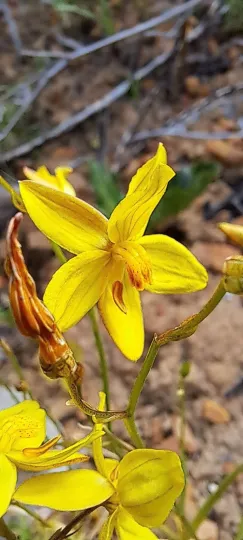
Botanically, the plant features a basal rosette of linear leaves and elegant, yellow, star-shaped flowers arranged in a loose, branched inflorescence. The plant typically reaches a height of 20 to 40 cm, making it a compact and highly attractive addition to any specialized garden collection.
The cultivation requirements focus heavily on soil structure; Cyanella lutea demands a porous, well-draining medium to prevent moisture accumulation around the corm. A mixture of horticultural sand, grit, and loam provides the ideal environment for healthy root growth.
Climate needs are centered on high light exposure and temperature control. As a South African native, it requires a Mediterranean-like climate or greenhouse conditions, as it is not frost-tolerant and prefers warm, sunny periods for active vegetative development.
The main use of Cyanella lutea is ornamental, serving as a rare specimen in botanical collections, alpine houses, and conservatories. Its delicate flower structure and vibrant yellow hues are highly appreciated by hobbyist gardeners and nursery professionals alike.
Main diseases and pests
Pathogens related to excessive moisture, such as Fusarium or other soft rots, represent the most significant threat to the corms. Proper drainage and regulated watering are the primary defense mechanisms to ensure the longevity of the plant in cultivation.
Regarding insect pests, spider mites are a common nuisance during the warmer months, especially in poorly ventilated greenhouse conditions. Maintaining good air circulation and monitoring the foliage regularly are necessary practices to prevent damage to the plants.