
Cyanella hyacinthoides
Cyanella hyacinthoides
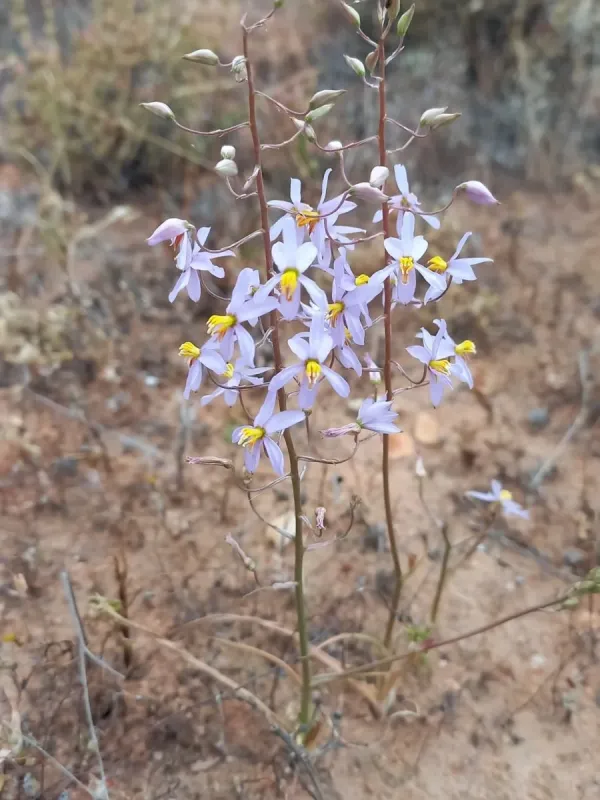
Description
Growing requirements
Cyanella hyacinthoides is a perennial bulbous plant belonging to the Tecophilaeaceae family. It is native to the Southern African region, specifically South Africa, where it has evolved to survive in well-drained, sandy soils within environments that experience distinct dry seasons.
For successful cultivation, the plant requires a sunny location with excellent drainage. Soil should be porous and gritty to prevent water stagnation, as the bulbous organs are highly susceptible to rot if kept in damp or heavy, clay-based conditions throughout the year.
The climate requirements necessitate protection from freezing temperatures. In regions with harsh winters, this plant is best managed as a pot-grown crop, allowing growers to transition it between indoor environments during dormancy and bright, sheltered outdoor spots during the active growing season.
Agricultural management is centered on the biological cycle of the plant. A critical practice is to cease irrigation once the foliage begins to yellow after flowering, which mimics the natural drought cycles of its native habitat and promotes the formation of new daughter bulbs for propagation.
In terms of economic and practical use, Cyanella hyacinthoides is valued in professional floriculture and botanical collections. It serves as an ornamental crop, prized for its distinct blue, hyacinth-like flower spikes that offer unique visual interest in controlled conservatory settings.
Main diseases and pests
The primary threats to this culture are fungal diseases, particularly bulb rot and soft rot, which typically occur due to excessive moisture levels. Ensuring proper ventilation and using an airy, mineral-based substrate is the most effective preventive measure against these pathogens.
Pests such as mites and root-feeding insects pose a significant risk to the plant's underground structures. Integrated pest management, including regular inspection of bulbs during their dormant phase and the use of sterile growing media, is essential for maintaining a healthy crop throughout the growth cycle.