
Physochlaina physaloides
Physochlaina physaloides
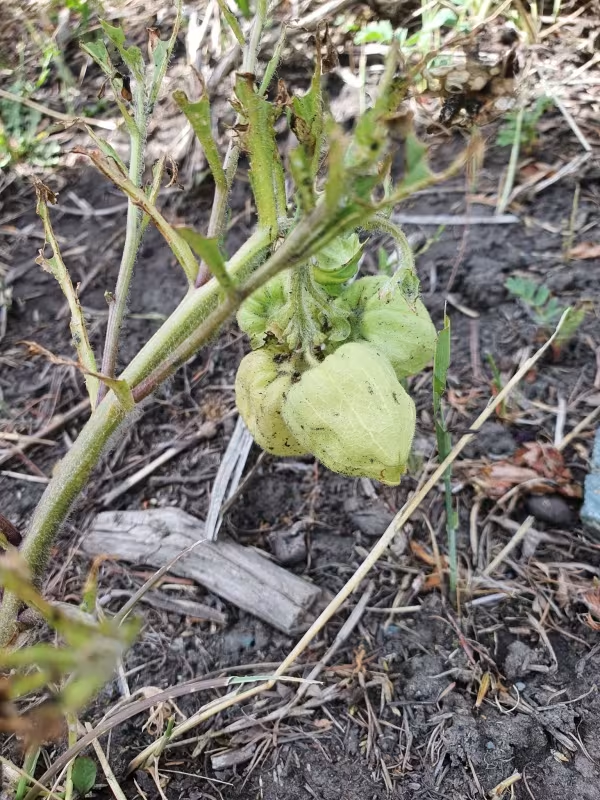
Description
Sowing dates
Physochlaina physaloides is a perennial herbaceous plant belonging to the nightshade (Solanaceae) family. In its natural habitat, it spreads primarily through seeds that reach maturity by late summer.
For agricultural cultivation, seeds require stratification at cold temperatures for one to two months to break dormancy. This process significantly improves germination rates and ensures uniform seedling emergence.
Seeds should be sown in loose, well-draining soil at a depth of 1-1.5 cm. Maintaining stable moisture during the germination period is critical, as seedlings are sensitive to surface soil desiccation.
During the first year, growth is focused on developing a root system and a basal rosette of leaves. The plant establishes itself gradually, with more vigorous growth observed from the second year onwards.
Proper spacing is essential; plants should be set 30-40 cm apart to provide enough space for individual development and to facilitate better air circulation, reducing the risk of fungal outbreaks.
Growing requirements
The plant is highly adapted to continental climates, demonstrating excellent frost resistance and the ability to survive harsh winters, provided there is a protective layer of snow.
Physochlaina thrives in sunny locations but can tolerate partial shade. The ideal substrate is rocky, sandy, or loamy soil with a neutral to slightly alkaline pH level to prevent nutrient lockout.
Effective drainage is the most important requirement. The species is susceptible to root rot if water stagnates in the root zone, so heavy clay soils must be amended with organic or mineral material.
As a xerophytic plant, it does not require frequent irrigation once established. Excess humidity can sometimes lead to a reduction in the concentration of bioactive alkaloids within the plant tissues.
Periodic cultivation or weeding between rows is necessary to ensure adequate aeration of the roots. Fertilizer use should be cautious, focusing on balanced phosphorous-potassium blends to support plant health.
Main diseases and pests
Common pests include typical Solanaceae-attacking insects, such as the Colorado potato beetle. Regular monitoring is necessary during peak pest activity seasons to prevent significant leaf damage.
Fungal diseases are the primary threat, especially in humid conditions. Root rot and powdery mildew are the most prevalent issues that can affect both the foliage and the root system of the plant.
Crop rotation and proper site sanitation are essential management practices. Removing crop debris at the end of the season helps to reduce the survival of fungal spores in the soil.
Viral infections, often transmitted by aphids, can cause leaf deformation and stunted growth. Infected plants should be promptly rogue out to prevent the spread of the virus to healthy specimens.
Biological fungicides are recommended for disease management, particularly if the biomass is intended for pharmacological research. Chemical interventions must be minimized to preserve the purity of the crop.
Harvesting
The harvest focuses on the aerial parts (leaves and stems) and, occasionally, the roots. The best time for harvesting the aerial parts is during the peak of the flowering stage.
Cutting should be performed 5-10 cm above the soil surface to ensure the plant can potentially regrow. Harvesting must be done in dry weather to prevent rapid degradation of the raw plant material.
Roots are harvested in the autumn, after the plant has entered dormancy. They are cleaned of soil, washed in cool water, and prepared for drying by slicing them into manageable segments.
Drying should take place in a shaded, well-ventilated area or in a mechanical dryer at temperatures not exceeding 45 degrees Celsius to preserve the delicate chemical composition.
Stored raw materials must be kept in breathable containers in a dry, dark place. Proper storage ensures that the chemical properties of the material remain stable for up to three years.