
Grabowskia boehrhaaviaefolia
Grabowskia boehrhaaviaefolia
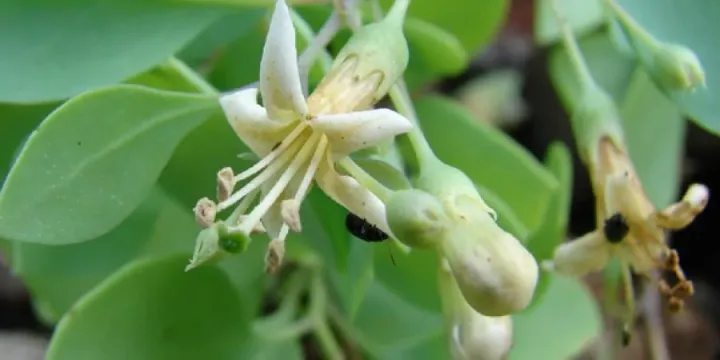
Description
Growing requirements
Grabowskia boehrhaaviaefolia belongs to the Solanaceae family and is recognized as a hardy, drought-tolerant shrub. It is native to arid landscapes of South America, where it thrives in harsh conditions that typically exclude more sensitive agricultural species.
The plant demonstrates unique biological adaptations, including xerophytic characteristics that allow it to maintain water balance during periods of prolonged drought. Its foliage and stem structure are designed to minimize evapotranspiration, reflecting its evolutionary path in arid environments.
Climate requirements for this plant are stringent regarding temperature. It requires high solar irradiance and significant warmth to thrive. It cannot tolerate freezing temperatures, making it unsuitable for open-field cultivation in temperate zones without strict climate control.
Soil preferences lean towards loose, rocky, or sandy substrates with excellent drainage capacity. It is highly intolerant of waterlogged soil, which quickly leads to root hypoxia and subsequent plant decay. Proper soil management must ensure that moisture levels remain low but consistent.
Agronomic management should focus on maintaining a nutrient-balanced environment that does not induce excessive vegetative growth, which can weaken the plant. Slow-release fertilizers are preferred to prevent sudden osmotic stress in the root zone.
Main diseases and pests
The primary threats to Grabowskia boehrhaaviaefolia in agricultural settings are related to excessive moisture and fungal pathogens. Root rot caused by Phytophthora or Pythium species is the most common cause of crop loss.
Sucking pests such as aphids and whiteflies frequently colonize the plant, especially when grown under glass or in greenhouses. These insects not only damage the plant tissue directly but also serve as vectors for various plant viruses.
In humid conditions, powdery mildew can become a significant problem. Maintaining dry leaf surfaces and ensuring high levels of air circulation around the plants is essential for effective disease prevention and management.
Nematode infestations in the root system can pose a long-term threat, leading to stunted growth and reduced vigor. Soil sterilization and crop rotation practices are recommended to mitigate these underground risks.
Monitoring the plant for signs of nutrient deficiencies or toxicity is also important, as the species may have specific micronutrient requirements depending on the soil pH. Regular soil testing helps maintain the ideal chemical balance for the crop.