
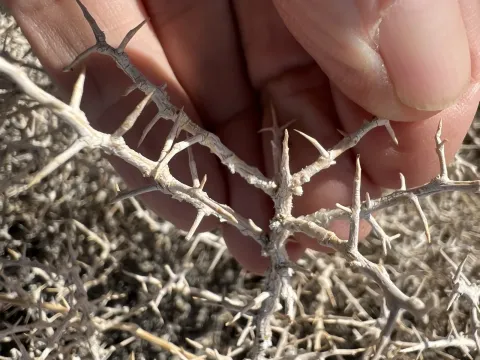
Greasewood
Sarcobatus
Greasewood (Sarcobatus) is a genus of shrubby plants belonging to the Sarcobataceae family. It is a classic halophyte, perfectly adapted to the extreme conditions of saline desert and semi-desert areas of North America.
What the section contains

Greasewood
This crop possesses exceptional resistance to high salinity in soil solutions, making it a subject of interest for the reclamation of degraded lands. The plant is capable of efficiently sequestering mineral substances within its tissues.
For optimal development, Greasewood requires open, well-lit sites with low competition from other species. It thrives in alkaline soils where other agricultural crops are unable to survive.
Climate conditions for cultivation are characterized by sharp diurnal temperature fluctuations and significant moisture deficits during the growing season. The plant demonstrates high drought tolerance due to its extensive root system.
Cultivation practices involve specific monitoring of soil salinity levels, as excessive moisture can negatively impact the development of the root system during the plant's establishment phase.
The main biological risk associated with Greasewood is the accumulation of oxalates in its leaves, which makes it toxic to certain types of livestock when consumed in excessive quantities.
Pests affecting this species include specific phytophagous insects adapted to life in desert biomes, although serious outbreaks in agricultural settings are extremely rare.
Fungal root diseases may occur during systematic waterlogging of the soil, leading to plant death due to impaired aeration of the root system.
Competition with aggressive invasive weed species can suppress the growth of young Greasewood plants in the early stages of their life cycle, requiring mechanical weeding.
Soil erosion around the root collar is a physical risk factor that can lead to premature aging of the shrub and a reduction in its overall productivity.