
Sorbocotoneaster pozdnjakovii
Sorbocotoneaster pozdnjakovii
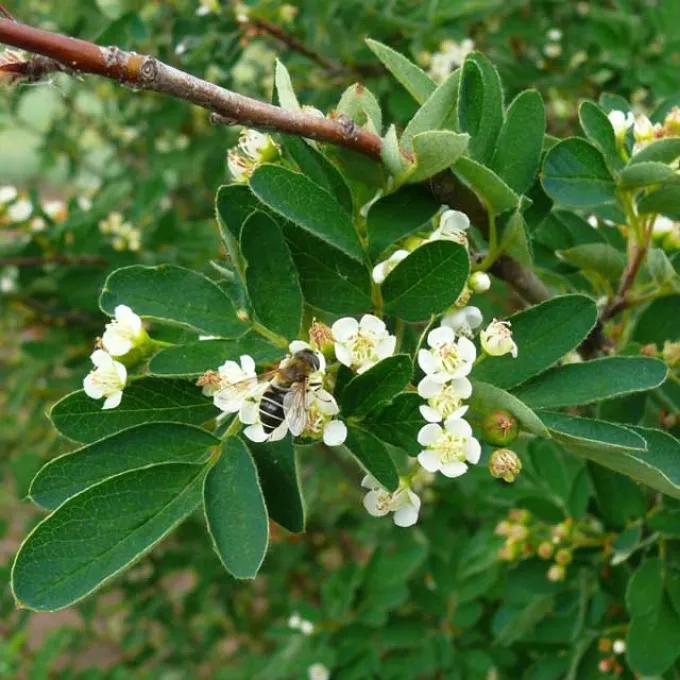
Description
Growing requirements
Sorbocotoneaster pozdnjakovii is a rare intergeneric hybrid between mountain ash (Sorbus) and cotoneaster, belonging to the Rosaceae family. It originated in Eastern Siberia and is well-adapted to harsh continental climate conditions.
This shrub is highly valued for its extreme winter hardiness and resilience. It thrives in well-drained, fertile soil types, ranging from sandy loams to heavier loamy soils, provided they are not waterlogged.
When selecting a planting site, it is essential to prioritize locations with full sun exposure. While the shrub can tolerate partial shade, maximum foliage density and fruit production are achieved with sufficient light exposure.
Agricultural management involves routine soil aeration and seasonal fertilization. Applying organic mulch around the base of the plant helps retain soil moisture and suppresses weed growth during the early growing stages.
Due to its unique botanical features, it serves as an excellent specimen for landscaping, particularly in cold-climate gardens where other ornamental shrubs might struggle to survive.
Main diseases and pests
Like many members of the Rosaceae family, this species can be susceptible to fungal issues, with powdery mildew being the most common concern in humid, stagnant environments.
Pest pressure mainly comes from aphids, which target new growth and buds, and occasional leaf-eating insects that can detract from the plant's aesthetic value.
Maintaining proper spacing and ensuring adequate airflow within the canopy are primary preventive measures against fungal pathogens. Regular pruning helps in thinning out dense growth areas.
In cases of severe infestation, integrated pest management techniques, including the use of targeted insecticides or biological controls, should be implemented to protect the shrub.
Regular monitoring of the plant during the spring and early summer allows for early detection of potential threats, ensuring the shrub remains healthy and vigorous throughout the year.